The global art market doesn't live on gallery walls anymore. It hasn't for a while. Today's market is a hybrid where physical and digital channels run in parallel, and the boundary between them gets thinner every year. That shift opened up real opportunities for anybody trying to sell art online, but it also made the whole process more complicated than it used to be. For working artists especially, picking the right method and the right platform now matters almost as much as the work itself.
Buyers know they have more options too. Which makes them more careful. Questions about authenticity, ownership history, fair pricing, and secure payments shape the texture of almost every art transaction now, where they used to only come up at the high end. The result is that the best way to sell paintings today has less to do with exposure than people assume and more to do with three quieter factors: trust, transparency, and reaching the actual right buyers instead of the largest possible crowd. This article walks through the most effective ways and places to sell paintings, and explains why platforms like ViaHonest are reshaping how art changes hands safely.
One concrete example of what transparency does to a sale: the ViaHonest case study How an Emerging Artist Made $20,000 in One Day with ViaHonest. By leaning into verified authenticity, documented provenance, and open communication instead of the usual vague marketing claims, an emerging artist closed $20,000 in sales inside a single day. The lesson hiding inside the number is straightforward. Buyers act fast and pay confidently when the uncertainty gets pulled out of the transaction.
Why the Market for Selling Paintings Is Growing
The market for selling paintings keeps growing, and the growth isn't a fluke. It's driven by structural changes in how art gets made, discovered, and bought. For emerging artists, established names, and collectors alike, selling paintings stopped being limited to traditional galleries and personal networks years ago. The best way to sell paintings today combines digital access with professional standards of trust and transparency that the old market couldn't easily deliver.
Digital Access Has Expanded Opportunities for Artists and Buyers
The biggest single reason the market keeps growing is the shift to online-first art sales. Digital platforms let artists selling art online reach a global audience without depending on physical gallery representation, which used to be the only door in.
Buyers, meanwhile, can discover, compare, and evaluate artworks across styles, regions, and price ranges with an efficiency that didn't exist even five years ago. The whole experience compressed.
That expanded access turned painting sales from a closed, gatekept process into an open, scalable market:
- Artists can present work directly to collectors without middlemen taking a percentage
- Buyers can explore far beyond whatever their local galleries happen to stock
- Transactions move faster, with clearer information and fewer obstacles in the way of a yes
Online channels are why so many people now consider digital marketplaces the best art sites to sell art, especially for original and contemporary work that wouldn't necessarily get noticed in a traditional gallery setting.
New Buyer Expectations Are Reshaping the Art Market
The profile of who buys art is shifting. Younger collectors are entering the market with different priorities than the previous generation. They still value quality and originality, no question. But they also expect transparency, pricing logic they can actually follow, and documentation that holds up to scrutiny. The unspoken trust that used to define gallery sales doesn't translate cleanly to digital.
Modern buyers tend to:
- Feel comfortable purchasing art online, even at higher price points where their parents would've insisted on seeing it in person first
- Support emerging and mid-career artists alongside the established names, sometimes preferring the discovery story
- Look for context, authenticity, and ownership history before they commit to a serious purchase
That shift has raised overall demand and pushed the market toward platforms that offer real structure, verification, and protection. Anyone who can't deliver those things is being quietly left behind.

Art Is Increasingly Seen as a Long-Term Asset
Beyond aesthetics, paintings are getting attention as alternative investment assets. In uncertain economic stretches, collectors look for tangible items that can hold value or appreciate over time, and original art with documented provenance fits that profile. The result is rising interest in works that come with transparent pricing and a paper trail behind them.
For sellers, the trend raises the bar in ways that aren't always comfortable. Buyers don't just want visual appeal anymore. They want proof of authenticity, ownership history, and a professional sales process from start to finish. Platforms that can support all three are quickly becoming the spine of the modern art economy, while the ones that can't are losing the more serious end of the market.
Globalization Has Expanded the Buyer Pool
The art market is no longer centered on a handful of major cities. Collectors routinely buy paintings from artists and sellers they'll never meet face to face, and that pattern is becoming the norm rather than the exception. The geography of the market collapsed, which boosted liquidity and lets paintings move more freely across borders than ever.
Global reach amplifies the importance of trust, though. As the distance between seller and buyer grows, buyers lean more on platforms that provide verified information, secure payments, and clear transaction terms. Without those, the distance becomes a problem rather than an opportunity.
Trust and Transparency Drive Sustainable Growth
As the market keeps expanding, the long-standing challenges that everyone in the industry knows about (forgeries, unclear provenance, unsafe payments) have become more visible than they used to be. Instead of slowing the market down, those risks actually accelerated demand for solutions built around transparency. Buyers and sellers both want the friction removed.
That's the gap where trust-based platforms like ViaHonest fit naturally. By structuring listings around verified data, documented history, and secure transactions, they align with what modern buyers and sellers actually expect from the best way to sell paintings today.
An Open Market Without Losing Credibility
Importantly, growth doesn't mean lowering the standard. The art market is getting more accessible while staying selective at the same time. Quality, originality, and long-term value still define successful sales. They're just backed up now by digital tools and transparent processes that didn't exist a decade ago.
That balance between accessibility and credibility is exactly why the market for selling paintings keeps growing, especially on platforms that combine global reach with infrastructure that buyers and sellers can both actually trust.
What Influences a Successful Painting Sale
The Artist's Reputation and Market Presence
An artist's name affects buyer perception in ways that show up in the final price. Established artists benefit from a backlog of prior sales, exhibitions, and press coverage that already did the credibility work. Emerging artists lean more on storytelling, careful documentation, and consistent presentation across whatever channels they use. For collectors on either side of the table, reputation reduces perceived risk, which translates directly into a willingness to pay more or commit faster.
Authenticity, Provenance, and Documentation
Authenticity isn't optional in today's art market. Buyers expect clear proof that a painting is original and verifiable provenance going back as far as possible.
Certificates of authenticity. Ownership records. Exhibition history. Even high-resolution process images from the studio. Every one of those elements builds buyer confidence and shortens the path to a closed sale, which matters more than most artists realize when they're focused on the work itself.

Artistic and Investment Value
Not every painting gets purchased purely for aesthetic reasons. Plenty of buyers evaluate work based on medium, condition, uniqueness, and long-term appreciation potential. Platforms that present both the artistic side and the factual details cleanly tend to perform better at attracting serious collectors who want both.
Pricing Accuracy and Buyer Expectations
Not every painting gets bought purely for how it looks. Plenty of buyers evaluate work through medium, condition, uniqueness, and the long-term appreciation potential they think it carries. Platforms that present both the artistic side and the factual details cleanly tend to perform better at pulling in serious collectors who want both halves of the picture before they commit anything.
How to Sell Paintings Today
Selling Through Galleries and Art Dealers
Traditional galleries offer credibility, curation, and access to established collectors who've been buying for years. They suit mid- to high-level artists best, but they usually come with exclusivity agreements and steep commissions that can run to 50%. The process is slower than online channels, and pricing control tends to belong more to the gallery than to the artist.
Auction Houses and Online Auctions
Auctions generate urgency and visibility, particularly for collectible or historically significant work where competitive bidding is part of the story. Results stay unpredictable, fees run high, and unsold lots can quietly hurt how the market sees your work later. Online auctions widen the reach but still need strong provenance to perform well at the higher end.
Online Marketplaces and Art Platforms
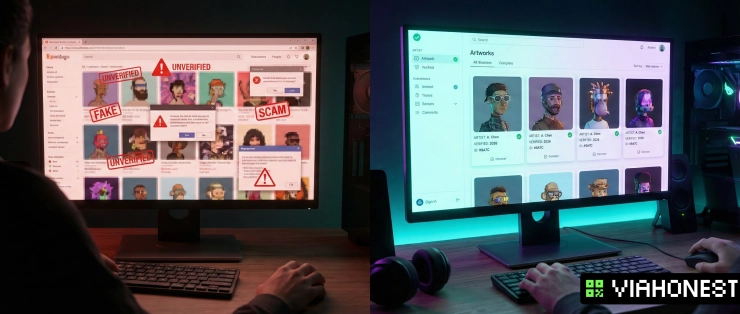
Digital platforms have become central to modern art sales. The best art sites to sell art combine global reach with structured listings, secure payments, and real buyer protections. Quality varies a lot across platforms though. Many prioritize transaction volume over verification, which can hurt sellers of serious work.
Direct Sales to Collectors
Selling directly gives you full pricing control and lets you build personal relationships. The method works best for artists who already have an audience. The downside is limited reach and a lot of responsibility on your shoulders for authentication, contracts, and payment security.
Which Method Is Right for You?
A lot of artists and collectors ask the same question: where to sell art online in a way that's both safe and effective. The honest answer depends on where you sit:
- Emerging artists. Online platforms and direct sales work best while you build your audience
- Mid-career artists. Galleries plus verified online platforms, used together
- Collectors selling valuable works. Secure, trust-based platforms with proper documentation support
Best Places to Sell Art Today
Offline Galleries and Exhibition Spaces
Physical spaces still matter, especially for collectors who want to see work in person before committing. Exhibitions strengthen provenance and build legitimacy that follows the piece for its whole life. The catch is geographic limits and the cost of getting represented, which makes this option less accessible for most sellers.
Online Platforms for Contemporary and Collectible Art
Digital-first platforms dominate the modern art world. For artists selling art online, success depends on two things: visibility and trust infrastructure. Platforms that verify sellers, artworks, and transaction terms consistently outperform the generic marketplaces where anyone can list anything.
Social Media and Personal Artist Websites
Instagram, portfolio sites, and your own website are powerful branding tools. They work best as discovery channels, not as complete transaction systems. Without integrated protection, high-value sales stay risky. A serious collector won't transfer five figures based on a DM.
Why ViaHonest Is the Best Place to Sell Paintings
Trust is the single biggest barrier in art transactions. ViaHonest was built specifically to address it, by combining transparency, verification, and secure deal flow in one place.
Transparent, Trust-Based Transactions
Every listing on ViaHonest emphasizes clarity. About the artwork. About the seller. About the terms of sale. Buyers know exactly what they're purchasing, and sellers benefit from a credibility-first environment that filters out tire-kickers.
Verified Authenticity and Provenance
ViaHonest lets sellers document authenticity, ownership history, and the key characteristics of each painting in a structured format. That approach significantly reduces buyer hesitation and cuts down on post-sale disputes that drag on for weeks.
Secure Payments and Buyer-Seller Protection
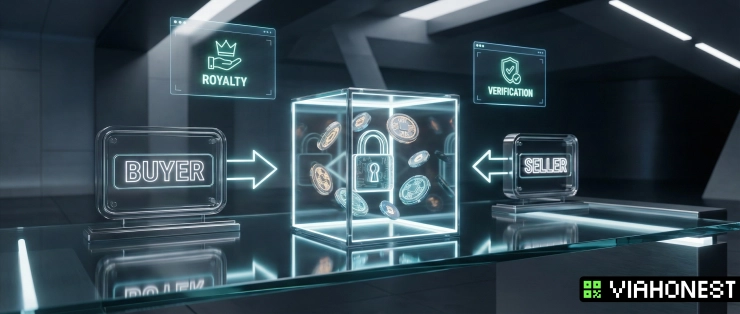
Unlike informal sales channels where you cross your fingers and hope, ViaHonest protects both sides of the transaction. Funds are handled securely. Conditions are clear from the start. Disputes get minimized through documented listings that leave no room for "I didn't know that."
Ideal for Original and High-Value Artworks
For sellers of original paintings, particularly collectible or investment-grade works, ViaHonest offers a level of professionalism that's often missing from traditional online marketplaces. That's what makes it one of the best art sites to sell art for serious sellers and buyers alike.
How to Successfully Sell a Painting on ViaHonest
Prepare the Artwork Professionally
High-quality images, accurate dimensions, condition details, supporting documents. All essential. Clear descriptions help buyers evaluate the work remotely with real confidence rather than hopeful guessing.
Price Honestly and Transparently
ViaHonest rewards realistic pricing backed by reasoning. Transparent listings attract informed buyers and shorten negotiation cycles, which means less time spent on back-and-forth that doesn't close.
Benefit From a Guided, Simple Process
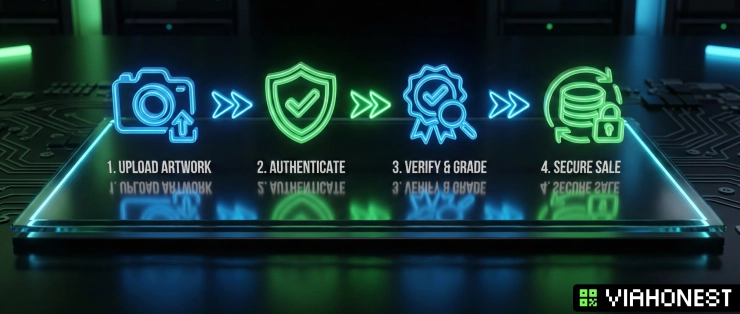
From listing through to payment, the platform simplifies each step. Sellers get supported throughout the transaction, which reduces friction and the kind of uncertainty that kills deals.
Reach a Global Collector Audience
By registering on ViaHonest, sellers gain access to an international network of collectors actively looking for verified artwork. Buyers can register to purchase with confidence too, since every listing comes backed by clear information and secure processes.
Conclusion
The modern art market rewards clarity, trust, and structure. The best way to sell paintings today isn't tied to a single channel or method. It comes down to choosing a platform that combines credibility with global reach in a way the old market couldn't. For an artist looking for serious buyers, or a collector trying to sell a valuable piece, the success of any sale comes back to transparency at every stage of the process.
For artists selling art online, and for buyers on the other side of the transaction, ViaHonest addresses the core challenges that have defined the art market for decades: authenticity, trust, and transactions that actually hold up under pressure. That combination makes it one of the most reliable solutions available today for anyone who's serious about buying or selling paintings online.