Digital products are booming in 2025. With the rise of e-commerce, creative platforms, and the global demand for virtual content, entrepreneurs are increasingly shifting toward digital products to sell rather than traditional inventory. Unlike physical goods, digital items come with significant advantages: low overhead costs, no shipping or storage requirements, and infinite scalability.
This article explores trending digital products 2025, why they matter, and how you can create a profitable business around them. You’ll also learn how to sell digital products online, which platforms to use, and common mistakes to avoid. Whether you’re a graphic designer, musician, or developer, this guide will help you figure out what digital products to sell this year and beyond.
Top digital products to sell
1. Digital Art and Custom Artwork
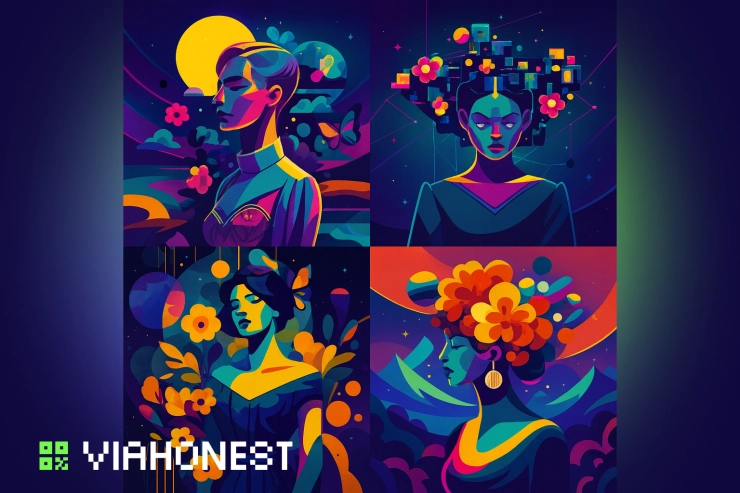
Digital art continues to thrive as a creative economy staple. Buyers range from collectors looking for unique pieces to everyday users who want custom wallpapers, posters, or avatars. Limited editions can create exclusivity and higher value, while open editions bring in steady income. Artists can sell through marketplaces, their own sites, or transparent platforms like ViaHonest to prove originality.
2. Illustrations and Graphic Designs

Businesses and content creators need fresh visuals daily for branding, websites, and marketing. Selling illustration packs or themed sets (e.g., education, healthcare, startups) gives designers recurring customers. Offering both single purchases and bundles is a smart way to increase revenue.
3. Animations and GIFs
Short, looping animations dominate TikTok, Instagram, and digital advertising. Companies pay for animated explainer assets, while individual users buy GIFs for personal branding. Creators can monetize animations by licensing them or creating subscription-based collections. Demand grows yearly as video-first content continues to lead engagement.
4. Vector Icons and Design Elements

Every app, website, or digital platform needs icons. Designers who create scalable, editable icon packs in multiple styles (flat, outline, 3D, minimal) find a steady audience. Since icons are often reused across projects, selling lifetime bundles or niche sets — like “eco icons” or “AI tech icons” — adds strong appeal.
5. 3D Models for Virtual Environments

With AR, VR, and gaming on the rise, 3D models are among the trending digital products 2025. These can include characters, vehicles, architecture, or props. Indie developers, VR educators, and metaverse platforms all need high-quality 3D assets. Offering files in multiple formats (.fbx, .obj, .blend) makes your models usable across platforms.
6. Digital Stickers and Emoji Packs
Stickers personalize conversations in apps like Telegram, WhatsApp, and iMessage. Popular niches include funny memes, minimalist emoji, or branded sets for businesses. Sellers can profit by launching themed packs, seasonal collections, or custom sticker commissions. Stickers are lightweight to create but have mass appeal.
7. Audio Files and Music Tracks

YouTubers, podcasters, and game developers constantly need royalty-free sound. Sellers can create loops, background music, or full soundtracks. Licensing is key: offering standard and extended licenses makes tracks usable for both small creators and commercial projects. High-quality sound effects (footsteps, ambient noise, cinematic booms) are also in demand.
8. Backgrounds and Textures for Design
Designers and 3D artists rely on unique textures and backdrops. These can include everything from grunge metal to seamless wood grain, futuristic grids, or abstract art. Selling texture packs with multiple variations adds more value. They’re especially popular for digital collages, AR apps, and product visualizations.
9. Templates for Presentations, Posts, and Stories
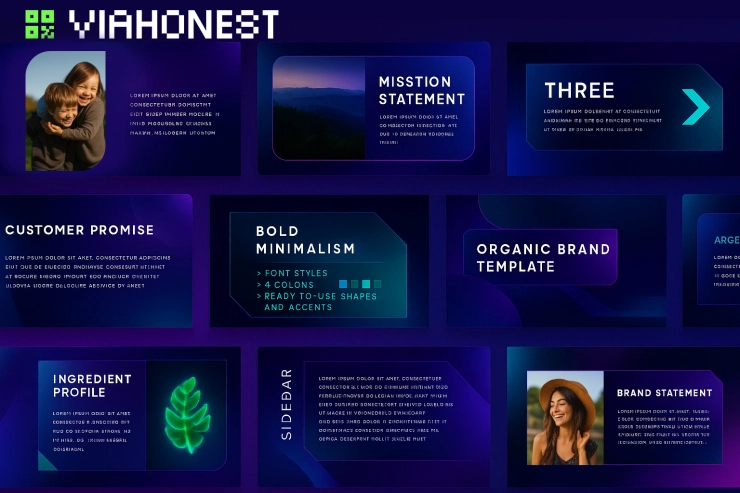
Templates save businesses and influencers hours of design work. Sellers can create branded slide decks, Instagram story kits, or TikTok cover templates. Canva, PowerPoint, and Google Slides templates are particularly hot right now. High-quality, easy-to-edit templates mean repeat buyers and steady income streams.
10. Creative Digital Bundles
Bundles combine multiple products — like fonts, textures, and icons — into one package. Buyers feel they’re getting more value, and sellers boost order size. Seasonal bundles (e.g., holiday themes, business starter kits) are particularly effective. Subscriptions or bundle updates keep customers engaged over time.
11. Licensed Digital Collectibles
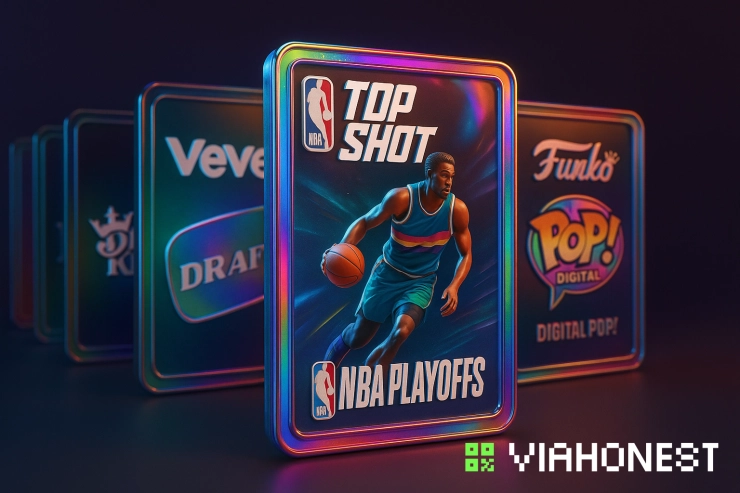
Digital collectibles, inspired by NFT culture, remain popular in 2025 — especially when backed by licensing or proof of authenticity. These could be branded digital cards, limited wallpapers, or unique 3D avatars. Collectors value exclusivity, so sellers should focus on limited releases with verifiable ownership records. Platforms like ViaHonest help authenticate these products.
12. Interactive Graphic Elements and Mockups
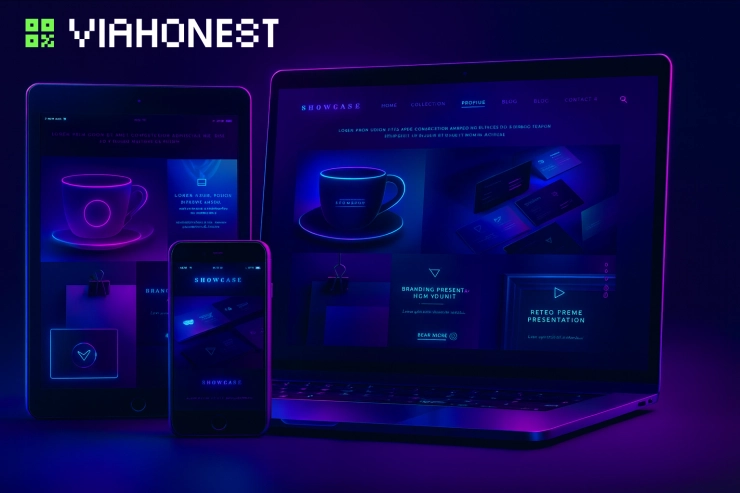
Mockups allow brands to test designs before production. Sellers can create interactive mockups for packaging, merchandise, or digital interfaces. Businesses love mockups that let them drag-and-drop their logos or products into realistic environments. Premium mockup libraries are especially attractive for agencies and freelancers.
13. Digital Greeting Cards
E-cards offer eco-friendly, instant delivery options for birthdays, weddings, or corporate events. Sellers can offer editable designs with customizable text, colors, and graphics. Seasonal events (Christmas, Valentine’s Day) drive spikes in sales. Adding animation or interactivity can make digital greeting cards stand out.
14. Presets for Photo and Video Editing

Presets streamline editing workflows for photographers, influencers, and video creators. Lightroom, Photoshop, Premiere Pro, and Final Cut presets are among the most soughtafter. Niche aesthetics (film look, cinematic color grading, minimal Instagram tones) keep this market competitive. Preset packs sell especially well when paired with before-and-after previews.
15. Virtual Goods for Games and Apps
The gaming industry keeps expanding, making in-game assets a top category of what digital products to sell. Skins, outfits, weapons, or decorative items are profitable digital goods. Even indie developers buy ready-made assets to save production time. Virtual items can also be sold with limited availability to create exclusivity.
Together, these fifteen categories represent the most promising digital products to sell online in 2025. Each has clear demand, growing audiences, and strong profit potential. Sellers who combine creativity with the right platform — especially transparent ones like ViaHonest — can stand out in this competitive but rewarding space.
Where to Sell Digital Products Online
Platforms for Digital Sales
There are many options for selling digital goods:
- Marketplaces like Etsy, Gumroad, and Creative Market for design assets.
- Specialized platforms for music, 3D models, or templates.
- Your own website with integrated e-commerce tools.
But the best platform to sell digital products in 2025 depends on your niche. Artists may thrive on art marketplaces, while developers may choose gaming or software-specific platforms.
Why ViaHonest Stands Out
ViaHonest introduces transparency to digital sales. Sellers upload their products with details about origin and licensing, while buyers can view a full history of transactions. This system helps ensure that customers aren’t purchasing stolen or pirated content. For sellers, listing products on ViaHonest builds trust and credibility. For buyers, it guarantees authenticity.
How to Choose the Right Marketplace
Ask yourself:
- Does the platform reach your target audience?
- What are the commission fees?
- Does it support the file types you’re selling?
- Does it provide features for marketing and licensing protection?
Platforms that combine reach, security, and ease of use will always outperform niche sites with limited visibility.
Tips for Selling Digital Products Successfully

Creating digital products is just the first step. The real challenge — and opportunity — lies in building a sales strategy that attracts buyers, keeps them coming back, and scales your income over time. Here are some of the most effective methods to succeed in 2025.
Identify and Understand Your Target Audience
Knowing who you’re selling to is critical. Every digital product has a unique audience:
- Photographers and influencers seek presets and editing tools.
- Businesses and startups buy templates, icons, and illustrations.
- Game developers need 3D models and audio packs.
The more specific your understanding of your audience, the better you can tailor product features, previews, and messaging. Conduct surveys, analyze competitors, and engage in online communities (Reddit, Discord, LinkedIn groups) to learn what customers actually need.
Optimize Pricing and Product Presentation
Pricing digital products can feel tricky, but it comes down to balancing value and accessibility. Consider:
- Tiered pricing (basic vs. premium packages).
- Bundles that encourage higher spending per order.
- Subscription models for recurring revenue (monthly template packs, audio libraries, etc.).
Presentation is just as important as pricing. Use high-quality preview images, mockups, and before-and-after comparisons. A well-designed product page conveys professionalism and builds trust.
Craft High-Quality Product Descriptions
Don’t just list “20 icons” or “5 presets.” Explain what makes your product unique:
- How it saves time.
- What use cases it covers.
- What formats are included (PNG, PSD, SVG, etc.).
Keywords matter here too. Clear, informative descriptions improve search visibility and help buyers quickly understand value.
Leverage Promotions and Upselling
Promotions aren’t just about discounts — they’re about strategy:
- Flash sales create urgency.
- Seasonal deals (holiday bundles, back-to-school packs) tap into trends.
- Upsells and cross-sells: If someone buys a presentation template, offer them a matching icon pack at checkout.
Even small promotions keep your shop active and encourage impulse purchases.
Build a Strong Brand and Marketing Strategy
Many sellers underestimate marketing. Creating a product is only half the battle; getting eyes on it is the other half. Focus on:
- Social media marketing. Show your products in use, share behind-the-scenes content, and engage with niche communities.
- Content marketing. Tutorials, blog posts, or YouTube videos using your products help attract organic traffic.
- Email marketing. Build a list to notify past buyers about new releases or bundles.
Consistency builds brand recognition and authority.
Collect and Showcase Reviews
Social proof drives digital sales. Encourage buyers to leave reviews or share how they used your product. Positive feedback reassures new customers, while constructive criticism helps you refine your offerings. Highlight top reviews in your product listings to strengthen credibility.
Protect Your Work and Ensure Authenticity
Digital theft and piracy are real risks. Always watermark preview files, limit access to full versions until purchase, and use platforms that safeguard intellectual property.
This is where ViaHonest becomes valuable: sellers can upload their products with proof of origin, and buyers can see the complete transaction history. This transparency helps prevent piracy and builds confidence in your store.
Continuously Improve and Adapt
Trends shift quickly in digital markets. Stay updated on design, gaming, and creative trends to keep your catalog relevant. Release updates or new versions of your products to keep your audience engaged and loyal.
By combining audience research, professional presentation, smart pricing, marketing, and authenticity tools, you can master how to sell digital products online. The sellers who treat their digital storefront like a real business — not just a side hustle — are the ones who thrive in 2025
Common Mistakes New Sellers Make
Neglecting Marketing
Creating a product is only half the job. Without promotion, even the best assets go unnoticed. New sellers often underestimate the need for social media marketing, paid ads, and collaborations.
Poor Product Quality
Uploading low-resolution files, broken templates, or generic assets damages reputation quickly. Once reviews turn negative, recovery is difficult. High-quality products build credibility and repeat buyers.
Ignoring Copyrights and Licenses
Selling pirated or stolen assets is one of the biggest mistakes. It can lead to takedowns, account bans, and legal issues. Always create original work or use properly licensed resources. Platforms like ViaHonest help enforce this by requiring proof of authenticity.
Conclusion
The digital economy is stronger than ever, and 2025 offers enormous opportunities for entrepreneurs ready to embrace it. From digital art to presets and 3D models, the range of what digital products to sell is broader than ever. The key lies in knowing your audience, creating high-quality assets, and leveraging the best platform to sell digital products for your niche.
When considering how to sell digital products online, transparency, trust, and marketing strategy are just as important as the product itself. Platforms like ViaHonest give sellers credibility and buyers confidence, ensuring that every digital exchange is authentic.
In short: the future of e-commerce belongs to scalable, creative, and transparent solutions. Start building today, because the demand for trending digital products 2025 isn’t slowing down.