Introduction

In 2025, supporting local communities has become more than a trend — it’s a necessity. Rising living costs, environmental concerns, and the demand for sustainable solutions have shifted how people view commerce. Reselling, once considered just a side hustle, is now recognized as a powerful way of helping the community while still generating income.
This article explores how the resale model strengthens local economies, provides access to affordable goods, and fosters a culture of sustainability. Most importantly, it answers the bigger question: how can reselling become one of the most practical ways to help your community today?
Why Reselling Matters for Local Economies
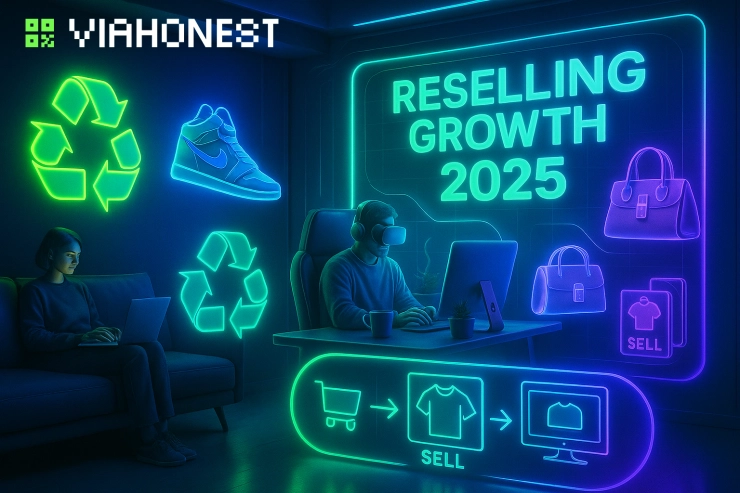
Driving a Circular Economy
Reselling gives products a second life. Instead of ending up in landfills, clothes, electronics, furniture, and collectibles get reused. This circular model reduces waste and lowers the need for constant new production. In local contexts, this means communities save resources while promoting sustainability.
Supporting Small Businesses and Local Sellers
Resale platforms empower small entrepreneurs who don’t have the capital to launch large-scale operations. By selling pre-owned goods or limited stock locally, resellers keep money circulating within their neighborhoods. This strengthens micro-economies and reduces dependency on giant corporations.
Making Goods Accessible
Not everyone in a community can afford brand-new items. Reselling ensures that high-quality products — from sneakers to laptops — become accessible at lower prices. For many families, this affordability makes a tangible difference in their daily lives.
10 Ways Reselling Helps Local Communities

Reselling does much more than generate income — it has ripple effects that strengthen neighborhoods, support families, and make resources more accessible. Below are 10 ways to help others through the resale economy, each explained in detail.
1. Reducing Waste in Neighborhoods
Reselling extends the life of products, keeping them out of landfills. Instead of throwing away clothes, furniture, or electronics, these items find new homes. This reduces local waste management costs and helps communities adopt more sustainable habits.
2. Providing Affordable Essentials
Not everyone can afford brand-new sneakers, laptops, or winter coats. By reselling gently used goods at lower prices, families and individuals gain access to quality products they might otherwise miss out on. This creates more equality within the community.
3. Creating Part-Time Income Opportunities
Reselling allows students, stay-at-home parents, and retirees to generate side income without heavy investment. A few hours of sourcing and listing items can translate into meaningful financial support for households.
4. Encouraging Local Entrepreneurship
Resale is often the entry point for entrepreneurship. Sellers learn how to price products, negotiate, market items, and manage logistics. These skills can later grow into full-fledged businesses, strengthening the local economy with more independent earners.
5. Strengthening Local Economies
When buyers purchase from community resellers instead of large corporations, money stays local. This creates a multiplier effect — resellers spend their earnings at nearby grocery stores, cafés, or service providers, which further supports the neighborhood.
6. Building Trust Networks
Reselling often involves face-to-face transactions, whether at flea markets, local fairs, or through platforms with local pickup. These interactions build trust between neighbors, reinforcing social bonds that make communities stronger and more resilient.
7. Preserving Culture and History
Resale isn’t just about clothes or gadgets — it’s also about cultural heritage. Vintage books, vinyl records, and antique furniture carry local stories. By keeping these items in circulation, resellers help preserve and share community history.
8. Raising Awareness About Sustainability
When people see how reselling reduces waste and maximizes resources, they become more mindful of their consumption habits. Communities begin to understand that secondhand doesn’t mean second-best — it means responsible and conscious living.
9. Funding Local Causes
Many resellers choose to donate a portion of their profits to charities, schools, or community programs. Even small contributions, when multiplied across sellers, can significantly impact local projects like food drives, youth programs, or cultural events.
10. Fostering Community Spirit
Perhaps the most valuable benefit is the sense of collaboration reselling creates. Neighbors buy from one another, share resources, and help each other thrive. Commerce becomes more than a transaction — it becomes a way of helping the community and creating a sense of belonging.
Each of these points shows how reselling is more than just business — it’s a framework for helping the community in practical, everyday ways.
How to Start Helping Through Reselling

Reselling doesn’t have to start big. Anyone can turn small actions into meaningful impact for their neighborhood. If you’re wondering how to combine a side hustle with helping the community, here are practical ways to begin.
Start With What You Already Own
The easiest entry point is your own home. Look for gently used clothes, books, electronics, or furniture you no longer need. Instead of letting them gather dust or end up in the trash, list them on local marketplaces. This not only declutters your home but also provides affordable options for others in your community. For example, an unused winter coat can mean warmth for someone who can’t afford retail prices.
Join Local Markets and Community Events
Flea markets, school fundraisers, and community fairs are excellent venues for reselling. Selling in person fosters human connection — you meet neighbors, hear their needs, and build trust. These face-to-face transactions often lead to repeat buyers who know they’re supporting someone local instead of a big-box store.
Use Online Platforms Safely
Not all buyers can attend local events, which makes digital platforms essential. Facebook Marketplace, eBay, and ViaHonest allow you to reach wider audiences while maintaining transparency. ViaHonest, in particular, adds credibility by recording transaction histories and product origins — something especially important when selling sneakers, electronics, or collectibles where authenticity matters.
Focus on What Your Community Needs
Helping through reselling isn’t just about offloading random items. Think about your community’s real needs. Is your neighborhood full of college students looking for affordable textbooks? Are families searching for budget-friendly toys or school supplies? By tailoring your resale items to what people actually need, you maximize both profit and impact.
Reinvest Your Earnings Locally
One of the best ways to help your community is by keeping money circulating nearby. Use the income from your reselling side hustle to support local shops, farmers’ markets, or neighborhood services. For instance, a reseller who profits from selling vintage clothing might choose to spend part of their earnings at a local bakery, multiplying the community benefit.
The Role of ViaHonest in Community Support

While reselling can happen anywhere, one of the biggest challenges is building trust. Buyers worry about fakes or scams, and small sellers struggle to prove credibility. ViaHonest was created to solve exactly this problem — turning resale into a transparent, safe, and community-driven activity. Here’s how it strengthens local communities in practice.
Transparency Builds Trust
Every item listed on ViaHonest comes with a verifiable transaction history. Buyers can see where the product originated, who owned it before, and whether it has been authenticated. For communities, this means fewer disputes and more confidence when buying locally. Instead of guessing, people know they’re dealing with trustworthy sellers.
Empowering Small and Local Resellers
For many individuals, starting a business feels intimidating. ViaHonest lowers the barrier by offering a secure platform where even first-time sellers can upload products without worrying about scams or fake claims. A college student reselling textbooks, or a parent selling gently used children’s clothes, can immediately reach buyers in their community with credibility.
Making Goods More Accessible
Affordability is a cornerstone of helping the community. ViaHonest ensures that secondhand products — like electronics, sneakers, or furniture — are available at fair prices. Buyers save money, sellers earn extra income, and the cycle of goods continues within the community instead of being lost to waste.
Reducing Counterfeits and Fraud
One of the dangers of reselling, especially for sneakers, luxury items, and collectibles, is counterfeiting. ViaHonest integrates verification tools and transaction tracking to minimize fake listings. This not only protects individual buyers but also safeguards the reputation of local resellers who are building long-term businesses.
Creating a Community-Driven Marketplace
Unlike anonymous global platforms, ViaHonest emphasizes connection. It encourages interactions between buyers and sellers, promotes fairness, and builds an ecosystem where people feel they are part of something larger than just a transaction. When neighbors know they can rely on one another through a trusted system, the whole community becomes stronger.
How ViaHonest Solves the Problem

ViaHonest helps resellers and buyers overcome the typical barriers of mistrust and fraud:
- Authenticity proof ensures no counterfeits circulate within the market.
- Clear ownership records allow buyers to see where items came from.
- Dispute resolution tools give both sides peace of mind.
- Accessibility enables even small sellers to join without needing big resources.
This combination makes it easier for anyone — whether a casual seller or a small local business — to turn reselling into both profit and a form of helping the community.
Conclusion

Reselling in 2025 is more than a profitable business model — it’s a real way of helping the community and making local economies stronger. By reducing waste, supporting small businesses, and providing affordable goods, resale contributes directly to healthier, more sustainable neighborhoods.
The lesson is clear: small actions matter. Selling your unused items, buying secondhand locally, or supporting community-driven platforms creates ripple effects that improve lives.
For resellers who want to combine impact with profit, platforms like ViaHonest provide the transparency and trust needed to make a difference. In the end, reselling is one of the most practical and powerful ways to help your community — not just today, but for the future.