Introduction
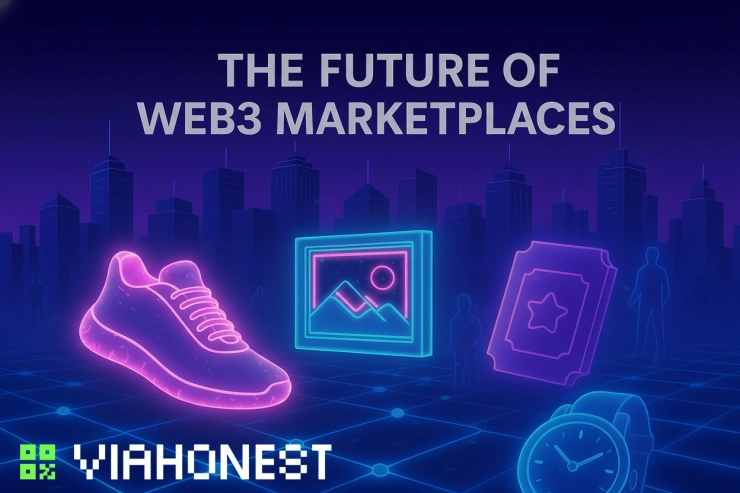
The digital economy is entering a new era. As blockchain technology continues to mature, the concept of the Web3 marketplace is reshaping how people buy, sell, and own assets. Unlike traditional online marketplaces, which rely on centralized intermediaries, Web3 marketplaces operate on decentralized infrastructure — giving users direct control over their assets, data, and transactions.
In essence, decentralized marketplaces are bringing transparency, security, and fairness back to digital commerce. Whether it’s digital collectibles, tokenized art, or real-world assets (RWAs), this new model is redefining what trust means online.
But how did we get here? And what makes Web3 trading fundamentally different from Web2 eCommerce? Let’s unpack how decentralization is changing the DNA of global markets and explore what the next generation of blockchain asset trading looks like.
From Web2 to Web3: The Evolution of Digital Commerce
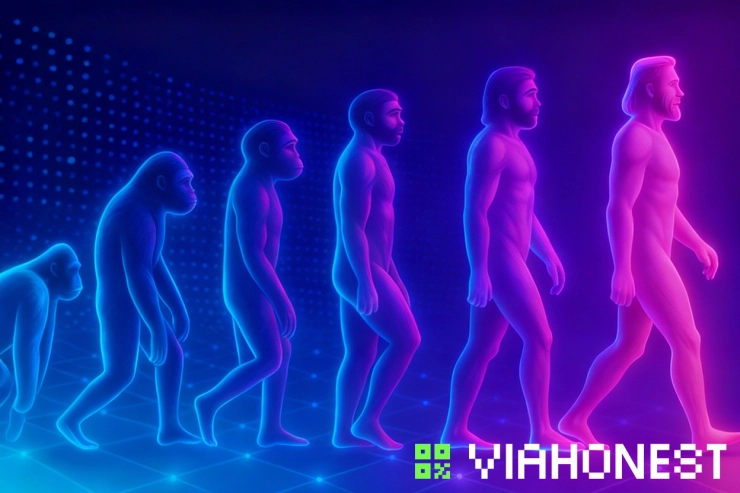
For nearly two decades, Web2 platforms like eBay, Amazon, and Etsy have dominated online trade. They made global commerce simple — but at a cost. Users exchanged convenience for control, handing over personal data, transaction histories, and even ownership rights to centralized intermediaries.
This centralization worked — until blockchain arrived. The Web3 movement, powered by distributed ledgers and cryptographic proof, reimagined the internet as trustless, transparent, and user-owned.
In a Web3 marketplace, users don’t just transact — they participate. Ownership is verified on-chain, and value flows peer-to-peer without the need for traditional gatekeepers. Smart contracts automate settlement, while wallets serve as digital identities that carry reputation and history across platforms.
The result is a global shift: from platform dependence to protocol-driven ownership.
The Rise of the Web3 Marketplace
Over the past few years, the idea of a decentralized marketplace has moved from concept to reality. The rise of NFTs in 2021 served as a catalyst, showing that digital goods could be owned, traded, and valued transparently using blockchain.
Key Growth Drivers
- User Empowerment: Web3 users demand control over their assets and data. Decentralization makes this possible.
- Tokenization: Everything from digital art to real estate can be represented as tokenized assets, enabling fractional ownership and 24/7 liquidity.
- DeFi Integration: Financial primitives like lending, staking, and yield generation are now embedded in marketplaces, turning trading ecosystems into living financial networks.
- Global Accessibility: Anyone with a wallet can participate, regardless of geography or credit history.
Market Maturity
According to DappRadar, NFT trading volume exceeded $25 billion in 2022, and infrastructure for on-chain marketplaces is expanding rapidly. Beyond collectibles, Web3 platforms now handle everything from real estate tokenization to luxury goods trading, bridging digital and physical economies
Example. Platforms like ViaHonest are pioneering marketplaces where users can list, verify, and trade both digital and real-world assets with full blockchain transparency. It’s not just about NFTs anymore — it’s about redefining asset ownership itself.
Advantages of Web3 Marketplaces
Transparency and Trust
Every transaction on a Web3 marketplace is recorded immutably on the blockchain. Buyers can verify asset provenance, pricing history, and ownership without relying on a centralized entity. This on-chain transparency eliminates counterfeit goods, backroom fees, and hidden rules that plague traditional markets.
Security and Ownership
In Web2, ownership is symbolic — if a platform goes down, your assets can disappear. In Web3, assets are stored in user-controlled wallets, meaning you retain control regardless of what happens to the platform. The marketplace becomes an interface, not a gatekeeper.
Efficiency Through Smart Contracts
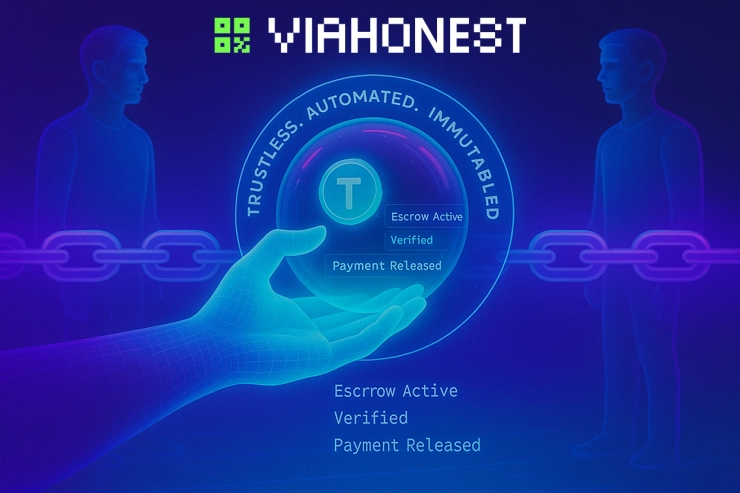
Smart contracts automate the logic of trade: escrow, payments, royalties, and even dispute resolution. This removes human error, speeds up transactions, and minimizes costs.
Borderless Access
A decentralized marketplace operates without intermediaries or jurisdictional limits. Whether you’re a sneaker reseller in New York or an art collector in Tokyo, all you need is an internet connection and a crypto wallet.
Lower Fees and Democratized Participation
Without third-party middlemen, fees drop significantly. That’s why artists, creators, and independent brands are migrating to on-chain marketplaces — they keep more of their earnings and engage directly with their audience.
If you’re a creator or investor looking to experience this freedom firsthand, explore ViaHonest — a next-generation Web3 marketplace designed for transparent, on-chain trading of both digital and real-world assets.
Challenges Facing Web3 Marketplaces
While the promise of decentralization is immense, building a functional and scalable Web3 marketplace comes with challenges.
User Experience (UX)
For newcomers, interacting with wallets, gas fees, and smart contracts can feel intimidating. The onboarding process still lacks the simplicity of Web2 platforms.
Solution. Emerging platforms like ViaHonest are tackling this head-on by simplifying UI and integrating fiat on-ramps for smooth user experiences.
Liquidity and Market Depth
Many decentralized marketplaces struggle with fragmented liquidity. Without enough buyers and sellers, even tokenized assets can stagnate. Protocols are addressing this by pooling liquidity across multiple chains and enabling cross-market interoperability.
Regulatory Clarity
Governments are still catching up. Questions around KYC/AML compliance, taxation, and legal recognition of tokenized assets remain open. The good news: regulatory frameworks are evolving quickly, and compliant Web3 marketplaces are leading by example.
Scalability
High gas fees and network congestion remain a concern, especially during trading peaks. Layer-2 solutions like Polygon, Arbitrum, and Optimism are helping on-chain marketplaces scale cost-effectively while maintaining decentralization.
Examples of Best NFT Marketplaces
OpenSea: The NFT Pioneer
As one of the first large-scale blockchain asset trading platforms, OpenSea revolutionized how users perceive digital ownership. It established liquidity and visibility for NFTs, but also exposed the limitations of centralized control — such as moderation and fee policies managed by a single entity.
Blur: The Speed-Driven Competitor
Blur captured professional traders with its advanced analytics, fast execution, and reward incentives. It demonstrated how competition and decentralization can coexist to improve efficiency and user choice.
ViaHonest: The Next-Generation On-Chain Marketplace
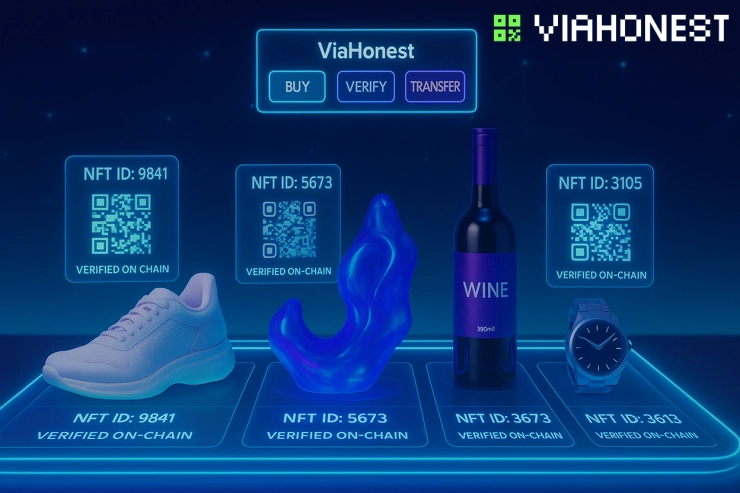
Unlike purely NFT-focused platforms, ViaHonest bridges digital and physical assets in one unified system. Built for transparency, it enables both individuals and brands to list, verify, and trade goods on-chain — from sneakers and collectibles to authenticated art and luxury items.
Each transaction on ViaHonest is executed through audited smart contracts, ensuring authenticity and fairness. Sellers benefit from automatic settlements, while buyers enjoy verified ownership backed by immutable blockchain records.
You can sign up on ViaHonest today to start selling or buying tokenized assets — experiencing firsthand how decentralization makes trading simpler, safer, and borderless.
The Broader Impact: Decentralization Beyond NFTs
The rise of Web3 marketplaces represents a fundamental shift in how value moves globally. What began with NFTs is now expanding to real-world economies.
Tokenized Real-World Assets (RWA)
Imagine owning authenticated physical collectibles — from limited-edition sneakers to art pieces — all represented as digital tokens on the blockchain. Platforms like ViaHonest are pioneering this new wave of phygital marketplaces, where every verified physical item is paired with a digital certificate of authenticity (NFT) on the blockchain.
This not only democratizes access to verified and transparent online commerce but also brings blockchain asset trading into mainstream consumer markets. Institutional adoption is on the rise, as on-chain records provide verifiable transparency for audits and compliance.
Integration with DeFi
Web3 marketplaces are merging with decentralized finance (DeFi) protocols to unlock new value. Tokenized assets can be staked, borrowed against, or used as liquidity — creating an entirely new layer of programmable capital markets.
The Future of Web3 Marketplaces
Institutional Adoption and Compliance
As traditional institutions warm up to tokenization, expect compliant on-chain marketplaces to emerge — ones that meet both regulatory standards and decentralization ideals.
AI and Smart Automation
Artificial intelligence will soon assist in verifying assets, predicting market trends, and detecting fraud within decentralized networks. Combined with blockchain, this creates a self-regulating ecosystem with near-zero operational friction.
The “Phygital” Revolution
The “Phygital” Revolution — The fusion of physical and digital ownership will drive the next wave of blockchain adoption. Collectors will own authentic, NFT-linked goods — from watches and art to streetwear — with their provenance and history stored transparently on-chain.
Cross-Chain Interoperability
Future marketplaces will be multi-chain by default, enabling seamless trades across Ethereum, Solana, and other ecosystems. This interoperability will break down current silos and create truly global liquidity pools.
ViaHonest is already preparing for this future, enabling frictionless, cross-chain trading and supporting both digital and real-world tokenized assets. Register today and be part of the next evolution in Web3 commerce.
Challenges Ahead: Balancing Freedom and Regulation
Decentralization introduces unique dilemmas:
- How can marketplaces preserve anonymity while ensuring compliance?
- How should intellectual property and royalties be handled across global, trustless systems?
- What safeguards exist against manipulation or wash trading?
These aren’t just technical questions — they’re philosophical. The next decade will see governments, developers, and communities co-create standards for decentralized marketplaces that align innovation with responsibility.
The goal isn’t to replicate Web2 with new tech — it’s to design an internet economy where trust is built into the system, not enforced by institutions.
Conclusion
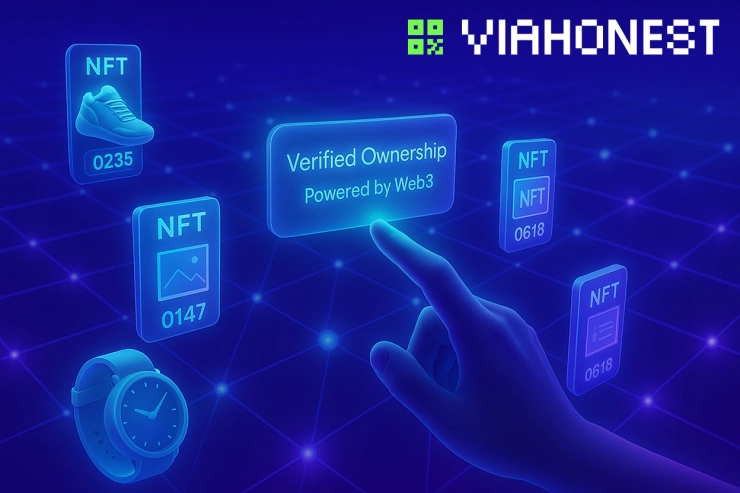
The future of Web3 marketplaces is about more than just crypto or NFTs — it’s about reimagining how assets, identity, and value flow across the world. By removing intermediaries and embedding transparency, decentralized marketplaces are setting a new global standard for fairness and participation.
As blockchain technology matures, on-chain marketplaces will bridge digital and physical economies, turning tokenized ownership into an everyday reality
Platforms like ViaHonest are leading this transformation — combining security, transparency, and ease of use to make decentralized trading accessible to everyone.
Join the future of commerce. Explore ViaHonest today to list, verify, and trade authentic physical and digital goods — and be part of the Web3 revolution redefining global ownership and transparency.