Introduction
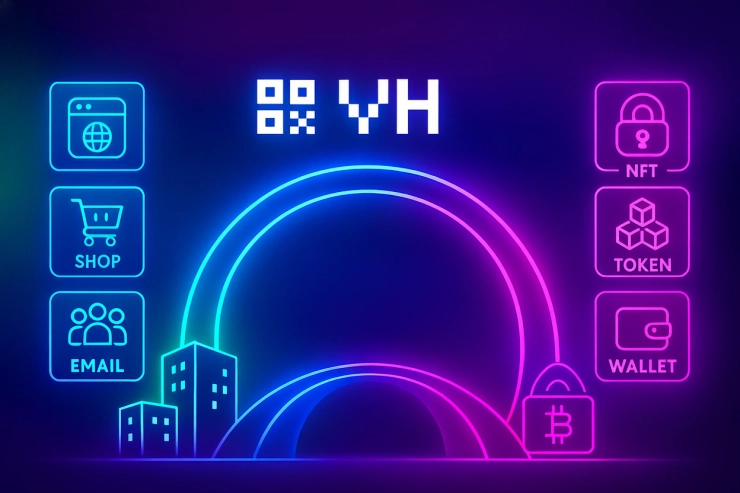
In recent years, the world of decentralized finance (DeFi) has matured beyond speculation and yield farming, moving toward real utility and tangible value. One of the strongest drivers of this evolution is the rise of Real World Assets (RWA) — the bridge connecting traditional finance (TradFi) with the decentralized, transparent, and programmable infrastructure of Web3.
From tokenized real estate and gold-backed assets to tokenized treasuries and private credit, RWA investing is reshaping how capital flows across the global economy. Platforms like ViaHonest are making this transformation tangible by creating a phygital marketplace that connects verified physical goods with blockchain-based ownership — merging authenticity, transparency, and real-world value in one on-chain ecosystem.
What Are Real World Assets (RWA)?
At its core, an RWA is a tokenized representation of a physical or financial asset that exists in the real world. This could be anything — a rare sneaker drop, a signed art print, a collectible watch, or a limited-edition fashion item, or even invoices owed by companies. Tokenization transforms these assets into digital tokens that live on the blockchain and can be traded, fractionally owned, or used as collateral in DeFi protocols.
In simple terms, RWA bridges traditional finance and Web3 by bringing tangible value into the digital ecosystem. Instead of relying solely on volatile crypto assets, DeFi protocols can now interact with tokenized versions of stable, yield-bearing instruments like bonds or real estate.
This blending of TradFi stability and Web3 efficiency is what makes RWAs a foundational pillar for the next era of decentralized finance.
Why RWA Are Becoming a Key Element of the Transition to Web3
The global financial system has trillions of dollars locked in illiquid or difficult-to-access instruments. Real estate markets, commodities, and government securities have always been profitable — but often inaccessible to small investors and global participants due to high entry costs, intermediaries, and geographic limitations.
RWA tokenization solves this by turning ownership rights into programmable tokens that can move freely across blockchain networks. Investors can trade them 24/7, with full transparency, and often with minimal fees.
From an institutional perspective, RWAs offer a way to deploy liquidity into regulated, real-yield assets on-chain. For DeFi protocols, they provide stability and lower risk exposure to crypto volatility.
In short, RWA represents the convergence of two worlds:
- The trust, legal clarity, and real yield of traditional finance;
- The transparency, speed, and accessibility of blockchain
Types of Assets Suitable for Tokenization
Phygital Collectibles and Verified Goods
One of the fastest-growing categories of RWAs is phygital collectibles — physical items that are paired with digital twins on the blockchain. Projects like ViaHonest enable this model by attaching NFTs, QR codes, or NFC tags to tangible products such as sneakers, art, and memorabilia. This ensures instant verification, traceability, and proof of authenticity for both creators and collectors — turning physical goods into blockchain-certified assets.
Gold and Commodities
Gold has always been a store of value. Now, tokenized gold allows investors to hold ownership of real bullion, verified by custodians and redeemable at any time. Similar models are emerging for silver, oil, and other commodities — turning static assets into liquid, tradable instruments.
Bonds and Tokenized Treasuries
With interest rates at record highs, demand for safe, yield-generating assets like U.S. Treasuries has surged. Tokenizing treasuries allows DeFi users to earn yield from onchain, fully compliant instruments while maintaining liquidity. Projects like Ondo Finance and Maple Finance have pioneered this model, connecting institutional capital with blockchain-based access.
Corporate Debt and Private Credit
RWA tokenization also unlocks access to corporate loans, invoices, and trade finance. Through blockchain, businesses can raise capital more efficiently, while investors earn yield from real-world repayments — all tracked and verified on-chain.
How Tokenization Makes Assets More Accessible and Liquid
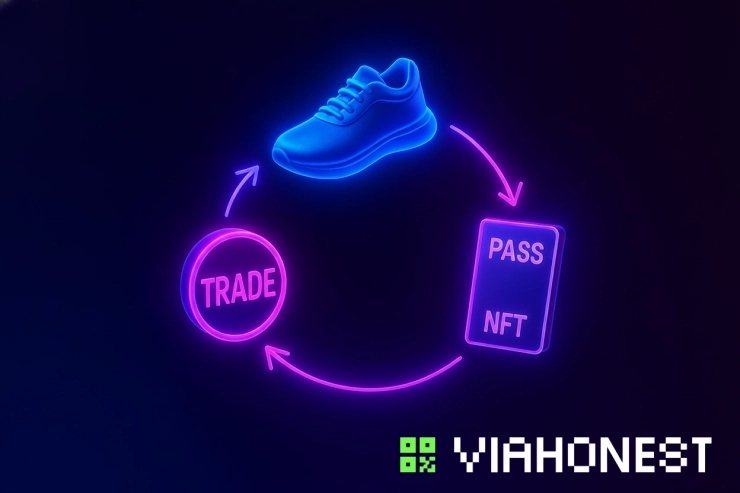
The core innovation of RWA is fractional ownership. Instead of needing $1 million to invest in property, an investor can buy $100 worth of a real estate token that represents verifiable equity in the asset.
Liquidity is also transformed. Traditionally, selling real estate or bonds can take weeks or months. With RWAs, ownership of authenticated physical assets can be traded instantly in phygital marketplaces like ViaHonest, where verified goods and their digital twins are exchanged transparently on-chain within seconds.
Furthermore, tokenization introduces global accessibility — any investor with a crypto wallet and internet connection can participate in asset classes once limited to accredited or institutional investors.
Benefits for Investors and Issuers
For Investors
- Higher liquidity. RWAs make traditionally illiquid assets tradable 24/7.
- Transparency. Every transaction is recorded on-chain, allowing clear visibility into asset provenance, ownership, and performance.
- Lower entry barriers. Fractional ownership means anyone can invest in assets like real estate or government bonds.
- Diversification. Investors can spread risk across multiple asset classes in a single portfolio.
For Issuers and Institutions
- New capital channels. Tokenization allows issuers to reach a broader investor base globally. Reduced costs: By removing intermediaries like brokers or escrow services, transaction costs are significantly lower.
- Faster settlement. Blockchain transactions finalize in seconds, compared to multi-day TradFi settlement systems.
- Automated compliance. Smart contracts can embed KYC, AML, and reporting requirements directly into token logic.
The Role of Smart Contracts and Blockchain Infrastructure
Smart contracts are the invisible foundation of RWA tokenization. They govern the issuance, trading, and redemption of tokens — ensuring transparency and trust without relying on centralized authorities.
By embedding key functions like interest distribution, collateral management, and compliance checks directly into code, smart contracts remove human error and reduce counterparty risk.
On a blockchain network, all operations are on-chain, verifiable, and immutable. This architecture ensures that RWA platforms remain open, auditable, and resistant to manipulation — a sharp contrast to the opaque nature of many traditional financial systems.
Platforms like ViaHonest leverage this infrastructure to create a secure and transparent marketplace for real world assets, where every participant can trust that ownership data and financial flows are tamper-proof and accessible in real time.
ViaHonest: Building the Future of the Real World Assets Marketplace
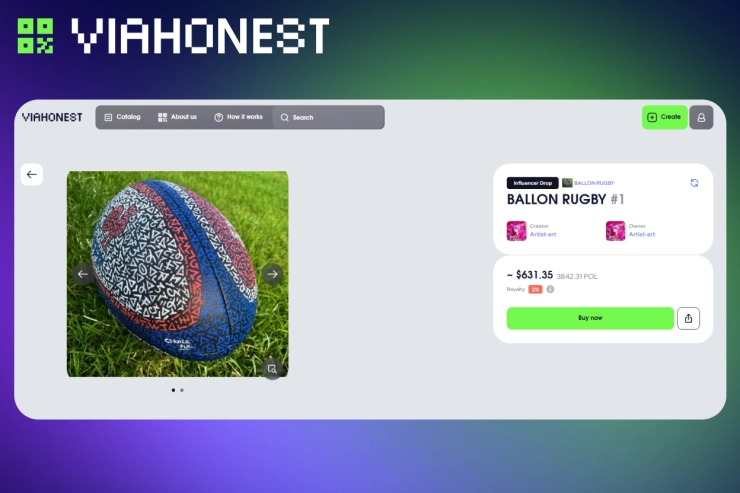
While established players like Centrifuge, MakerDAO, Ondo Finance, and Maple Finance have proven the potential of RWAs, newer entrants like ViaHonest are redefining the user experience by merging Web2 simplicity with Web3 transparency.
ViaHonest focuses on making phygital ownership simple, transparent, and accessible for everyday users and creators.
- For buyers, ViaHonest offers a trusted way to purchase authentic physical goods verified on-chain — from art and collectibles to luxury items and fashion drops.
- For sellers and brands, it provides tools to tokenize physical items with QR/NFC tags, attach digital collectibles (NFTs), and reach global audiences securely through blockchain verification
The platform integrates multi-chain support, smart contract auditing, and KYC-compliant onboarding to ensure safety and accessibility.
Anyone interested in exploring the phygital economy can register on ViaHonest today — whether you’re a collector looking for verified digital-physical goods or a creator ready to tokenize and sell your authentic items.
Key Players and Successful RWA Case Studies
Centrifuge
Centrifuge pioneered the on-chain credit model, enabling businesses to tokenize real-world invoices and use them as collateral for liquidity. Its integration with MakerDAO helped establish one of the first large-scale RWA vaults in DeFi.
MakerDAO
As one of the earliest and largest DeFi protocols, MakerDAO incorporated RWAs to back its DAI stablecoin with more stable, yield-bearing collateral like short-term treasuries and bonds — demonstrating institutional trust in the model.
Ondo Finance
Ondo Finance bridges institutional capital and DeFi liquidity by offering tokenized U.S. Treasuries (OUSG) and corporate bond products. It exemplifies how traditional yield can move on-chain securely and compliantly.
Maple Finance
Maple focuses on undercollateralized lending by connecting institutional borrowers and lenders. With its expansion into real-world loans, Maple has brought structured credit products onto the blockchain.
ViaHonest
Building on lessons from these pioneers, ViaHonest is developing the next-generation phygital marketplace — where transparency meets usability. It empowers users to discover and trade authenticated physical goods with on-chain proof of ownership, bringing trust and transparency to global e-commerce.
Why RWA Is the Next Phase of Web3 Evolution
The integration of real-world assets into blockchain ecosystems represents a pivotal moment for both DeFi and global finance. By bringing tangible, yield-generating instruments on-chain, RWA transforms crypto from a speculative playground into a functional, sustainable financial layer.
It aligns incentives across investors, institutions, and developers — all participating in a shared digital marketplace governed by transparency and code.
Phygital goods, authenticated collectibles, and other forms of rwa tokenization aren’t just trends — they are the logical progression toward a financial system where capital is fluid, global, and open to all.
As this market matures, platforms like ViaHonest will play a crucial role in shaping the infrastructure — ensuring that investors and issuers alike can engage safely and efficiently in the new era of decentralized finance.
Conclusion: The Future of Finance Is Tokenized

The bridge between traditional finance and Web3 is no longer theoretical — it’s being built right now through the tokenization of real world assets. By turning tangible value into programmable tokens, RWA creates a financial ecosystem that is liquid, transparent, and accessible to anyone.
Whether you’re exploring phygital collectibles, trading authenticated goods, or simply seeking transparency and ownership on-chain, the opportunities are expanding fast.
With innovators like ViaHonest leading the way, the next generation of creators, collectors, and brands can participate in the phygital marketplace confidently — and become part of the future of digital ownership, today.