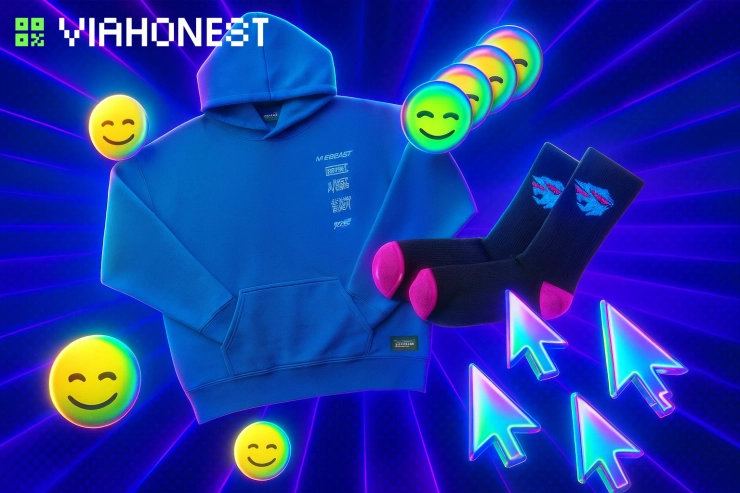
Custom merchandise has become more than a trend — it’s a thriving business model for creators, influencers, and entrepreneurs. From T-shirts and hoodies to mugs and phone cases, branded products are powerful tools for connecting with a community while generating income. The rise of e-commerce and print-ondemand services has made it easier than ever to sell your merchandise online without heavy upfront costs.
In this article, we’ll walk through everything you need to know about how to start selling merch. from choosing your niche and designing products to production, marketing, and long-term growth. You’ll also learn how platforms like ViaHonest help sellers and buyers build trust in an increasingly competitive market.
Step 1. Developing the Idea and Concept

The foundation of any successful merch line starts long before production — it begins with a clear idea and strong concept. Without this step, even the best marketing won’t save a product that doesn’t resonate with your audience. Here’s how to build that foundation.
Define Your Niche and Audience
Merch that sells well always has a clear “who” behind it. Instead of trying to appeal to everyone, identify the specific community you want to serve.
- Creators and influencers. Fans want to wear or use something that makes them feel part of your tribe.
- Businesses and startups. Branded merch can double as marketing tools and gifts for clients.
- Communities and causes. Activists, non-profits, or clubs often use merch to spread awareness and raise funds
Ask yourself. Who will wear this? Why would they choose my design over thousands of others? The answers guide your style, slogans, and product selection.
Craft a Unique Design Identity Generic merch blends into the background.
To make your products memorable, focus on unique design elements tied to your brand’s personality.
- Use your logo or tagline creatively. A logo on its own may not be enough — experiment with variations, abstract patterns, or hidden symbols.
- Leverage storytelling. Think beyond graphics. Each design should tell a story or represent a shared inside joke, memory, or message that your audience relates to.
- Keep it versatile. A design should work across multiple items (e.g., T-shirts, mugs, hoodies) without losing its appeal.
If you’re not a designer, collaborate with freelancers who specialize in merch design. Originality is what separates “just another shirt” from something fans proudly wear.
Research Trends and Inspiration Successful merch balances timeless appeal with current trends.
Staying updated helps ensure your designs don’t feel outdated
- Social media platforms. TikTok, Instagram, and Pinterest are gold mines for spotting design aesthetics, slogans, and formats gaining popularity.
- Google Trends. Track search interest for phrases like “eco-friendly tote bags” or “vintage graphic hoodies” to see what’s rising.
- Market research. Browse top sellers on Etsy, Redbubble, or Amazon to analyze what’s currently performing well.
But beware of simply copying what’s trending — audiences spot inauthenticity quickly. Instead, adapt trends to your own niche.
For example, if oversized hoodies are trending, combine that style with your brand’s messaging or visual identity.
Test and Validate Your Ideas
Before committing to production, validate your designs
- Post mockups on social media to gauge audience reaction.
- Run polls or surveys within your community.
- Offer limited pre-orders to see which items actually generate excitement.
This reduces the risk of wasting money on products that won’t sell and helps you identify “winners” early.
Getting Step 1 right sets you up for everything that follows. If your idea is strong, your design original, and your niche clearly defined, production and marketing become much easier — and your merch stands a far better chance of becoming a hit.
Step 2. Production and Quality
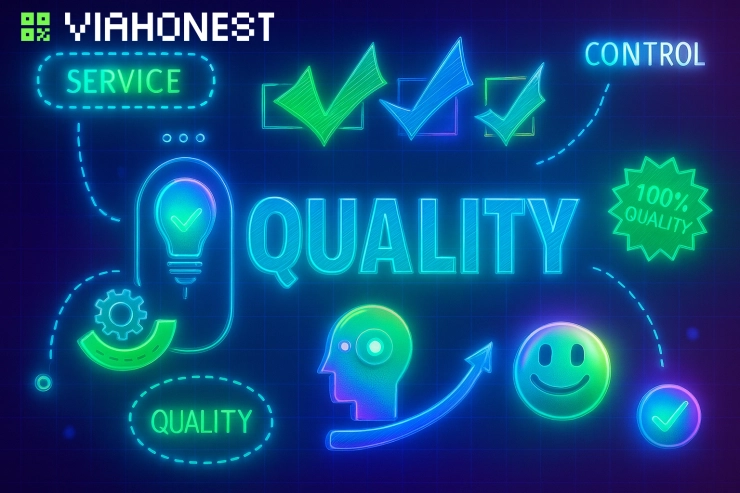
Once you’ve developed your idea and concept, the next critical step is turning it into a physical product that customers will love. Production is more than just printing a logo on a T-shirt — it’s about ensuring the quality, durability, and consistency of your merchandise so that buyers feel they got their money’s worth. Highquality merch not only generates sales but also builds long-term brand loyalty.
Printing and Fulfillment Platforms
For beginners, the most efficient way to start is through print-on-demand (POD) services. These platforms let you upload your designs, and they handle production, packaging, and shipping directly to customers.
- Popular options. Printful, Printify, Teespring, Redbubble, Merch by Amazon.
- Pros. No upfront inventory, wide range of products, low risk.
- Cons. Lower profit margins compared to bulk production, limited control over shipping speed and packaging.
For more advanced sellers, bulk production through local printers or manufacturers offers higher margins and more customization options. However, it requires upfront investment and storage.
Choosing the Right Materials
Quality determines whether your merch is a one-time purchase or something customers wear proudly for years.
- Apparel. Opt for durable fabrics like 100% cotton or cotton-poly blends. Ringspun cotton feels softer and lasts longer than standard cotton.
- Accessories. For mugs, choose dishwasher-safe ceramics; for phone cases, use shock-resistant materials; for hats, prioritize breathable fabrics.
- Print method. Screen printing delivers vibrant, long-lasting designs for bulk orders. Direct-to-garment (DTG) printing allows for complex designs with many colors in smaller batches. Embroidery adds a premium, tactile feel.
Customers notice the difference. A soft hoodie with a lasting print makes your brand look professional, while a low-quality item can harm your reputation.
Packaging as Part of the Brand
Never underestimate packaging — it’s the first physical touchpoint between your brand and the customer.
- Branded packaging. Custom boxes, tissue paper, or stickers reinforce your identity.
- Eco-friendly packaging. Recyclable or compostable materials appeal to environmentally conscious buyers.
- Personal touches. Handwritten thank-you notes or QR codes linking to exclusive content increase customer engagement and loyalty.
Packaging should reflect your brand values and create a “shareable” unboxing moment that encourages social media posts.
Logistics and Shipping
Efficient logistics are essential for keeping customers happy.
- Print-on-demand platforms. Handle global shipping, but delivery times may vary.
- Independent sellers. Need to work with reliable couriers or fulfillment centers.
- Tracking and transparency. Always provide tracking numbers and clear delivery estimates.
Fast, reliable shipping builds trust. Slow or inconsistent deliveries often result in negative reviews — even if the product itself is good.
Quality Control
Before scaling, test your products. Order samples from POD services or manufacturers to check.
- Print accuracy (colors, sharpness).
- Fabric quality (softness, durability after washing).
- Fit and sizing consistency.
- Packaging quality.
By testing, you avoid surprises and ensure that every product shipped matches your brand standards.
Production and quality are where your vision becomes reality. Customers might buy once because they like your design, but they’ll come back — and recommend your brand — because of how your merch feels, lasts, and arrives. Investing time here transforms a simple product into a professional brand experience.
Step 3. Selling and Distribution
Creating your merchandise is only half the battle - the real challenge is getting it into the hands of customers. The way you sell and distribute your merch will determine how visible, trustworthy, and profitable your brand becomes. A smart strategy combines multiple channels, transparent practices, and customer engagement
Online Stores, Marketplaces, and Social Media
1. Online Marketplaces \nMarketplaces like Etsy, Amazon, or eBay are powerful for beginners. They provide instant access to millions of buyers actively searching for products.
- Pros. High traffic, built-in trust, easy setup.
- Cons. High competition, platform fees, limited branding control.
- Best for. Niche items (Etsy), mass-market goods (Amazon), or reselling (eBay).
2. Your Own Store \nLaunching your own e-commerce site via Shopify, WooCommerce, or Squarespace gives you complete control. You can design the storefront, manage customer relationships, and build a long-term brand.
- Pros. Full branding freedom, no marketplace commissions, ability to build email lists.
- Cons. Requires driving your own traffic, higher upfront effort.
- Best for. Sellers aiming to build a long-term, recognizable brand.
3. Social Media Selling \nInstagram Shops, TikTok Shopping, and Facebook Marketplace are rapidly growing sales channels. With the right content, your followers can transition from fans to paying customers.
- Pros. Direct engagement, viral potential, easy to promote with reels or short videos.
- Cons. Requires consistent content creation, reliance on algorithms.
- Best for. Influencers, creators, and lifestyle brands with active communities.
Why ViaHonest Adds Value
While traditional marketplaces focus on exposure, ViaHonest emphasizes trust and transparency. Sellers upload their merchandise along with details about product origin, while buyers can view a complete history of transactions. This creates accountability — essential in an online environment where fakes and lowquality products are common.
For sellers, being on ViaHonest means credibility. For buyers, it means peace of mind that they’re investing in authentic, well-documented products. This is especially powerful for creators who want to show that their custom merch is original and not just another print-on-demand copy.
Pricing Your Merchandise
Setting the right price is an art. Too high, and you scare off buyers; too low, and you undercut your profit and brand value. Consider.
- Production cost. Materials, printing, packaging, shipping.
- Marketplace fees. Platforms like Amazon or Etsy charge commissions.
- Brand positioning. A premium brand should price higher but justify it with quality and experience.
- Psychological pricing. $29.99 often feels more appealing than $30.
Offer bundles (e.g., hoodie + tote bag) or limited editions to increase perceived value and average order size
Promotion and Marketing
Merch doesn’t sell itself — you need to put it in front of the right audience.
- Content marketing. Show your products in action with photoshoots, reels, or unboxing videos.
- Influencer collaborations. Partner with micro-influencers who align with your niche.
- Email marketing. Send product launches, discount codes, and exclusive drops directly to past customers.
- Paid ads. Run targeted campaigns on Meta Ads or TikTok Ads to reach new buyers.
Consistency matters. Brands that market regularly (not just during product launches) stay top-of-mind with their audience.
Reviews and Retention
Selling is not just about the first purchase — it’s about turning buyers into repeat customers.
- Encourage reviews by following up after delivery.
- Respond to feedback quickly, whether positive or negative.
- Offer loyalty rewards, such as discounts on the next order or early access to new collections.
A satisfied customer is far more valuable than any ad campaign — they become your brand ambassador.
Step 4. Tips for Successful Sales

Make Your Merch a Hit
Viral merch is usually tied to identity or emotion. Think of band T-shirts, meme-inspired hoodies, or minimalist lifestyle products. Customers don’t just buy fabric — they buy belonging. Leverage community values, humor, or exclusivity to make your merch “must-have.”
Emphasize Uniqueness and Branding
A strong brand identity is the difference between a generic hoodie and a collectible. Use consistent visuals (logos, colors, typography) across your store and marketing. This consistency makes your merchandise instantly recognizable.
Use Promotions and Partnerships
Collaborations with influencers, streamers, or other brands multiply reach. Giveaways, discount codes, and seasonal campaigns also boost visibility. Limited-time drops create urgency and strengthen demand.
Conclusion
Selling merchandise in 2025 is one of the most accessible and profitable business models for creators and entrepreneurs. With the right idea, quality production, and effective marketing, anyone can sell your merchandise online and build a thriving brand.
The key is to focus on audience connection, product quality, and trust. Platforms like ViaHonest help sellers prove authenticity and give buyers peace of mind — making every transaction transparent.
In short, if you’re wondering how to start selling merch or how to sell your merchandise online, the path is clear. define your niche, create unique products, choose the right platform, and market with consistency. With creativity and persistence, your custom merch can turn from a side project into a sustainable income stream.