Online shopping has become a part of daily life. From household essentials to luxury goods, marketplaces and e-commerce platforms make it easier than ever to buy with a click. This rapid growth, however, comes with an unwanted side effect: a rise in online shopping scams. Fraudsters create fake stores, manipulate reviews, and trick buyers into unsafe transactions.
That’s why knowing safety tips for shopping online is more important than ever. In this guide, we’ll explore the most common scams, how to check whether a store is trustworthy, what to look for when making purchases online, and how to stay protected with tools like ViaHonest. By the end, you’ll know exactly when making purchases online, what should you look for to know if it's safe?
Online shopping scams examples
Fake Stores and Imitation Websites
One of the most widespread scams is the creation of fake online stores. These websites often look almost identical to legitimate retailers. Scammers copy logos,layouts, and even product catalogs from official sites. They lure shoppers with heavily discounted prices on popular products that are rarely on sale. After payment, either nothing arrives, or the buyer receives a completely different item of poor quality.
A common red flag is a website that was registered recently, has no clear contact information, and only accepts unsafe payment methods like bank transfers. If you see a site offering designer goods or the latest tech at 70% off, it’s almost certainly fraudulent.
Manipulated Reviews and Ratings
Because online reviews strongly influence shopping decisions, scammers invest time in fabricating them. Fake sellers flood their store pages with dozens of five-star reviews, often written in broken English or repeated phrases. Sometimes the reviews even describe products that don’t match the listing.
Another tactic is review hijacking: counterfeit sellers attach their listings to legitimate product pages on large marketplaces, so unsuspecting buyers see hundreds of genuine reviews and assume the seller is trustworthy. Careful shoppers should always read multiple reviews in detail and look for consistency.
Payment and Refund Fraud
Unsafe payment requests are one of the biggest warning signs. Fraudsters push buyers toward irreversible payment methods like wire transfers, cryptocurrency, prepaid gift cards, or PayPal “friends and family.” These options make it almost impossible to recover your money if something goes wrong.
Another scheme involves fake refund promises. A scammer may ask for additional payments to “release a package from customs” or demand that you pay shipping fees for a return. Once the money is sent, the communication usually ends. Always stick with payment methods that include buyer protection, such as credit cards or PayPal’s secure checkout.
Counterfeit Goods and Replicas
Counterfeits are a huge market on the internet. From luxury handbags and sneakers to electronics and collectible toys, fakes are sold at prices close enough to real products that buyers assume they’re getting a deal. At first glance, the packaging and product may look authentic, but upon closer inspection the quality is poor — fabrics are cheap, electronics malfunction, and warranties are nonexistent.
The danger is not just financial. Counterfeit electronics can overheat or catch fire, and fake cosmetics may contain harmful chemicals. This makes recognizing and avoiding counterfeit goods an important part of safety tips for shopping online.
Subscription and Hidden Charges
Another growing scam is fake “free trials.” A website may offer a free sample if you cover a small shipping fee. Hidden in the fine print, however, is a subscription that charges your card monthly. Canceling is often difficult, and the charges continue.
Legitimate companies make trial terms clear and easy to opt out of. If cancellation requires multiple emails or the customer service number doesn’t work, it’s likely a scam.
Phishing and Identity Theft
Scammers also target shoppers indirectly by stealing personal information. Fake websites or emails mimic trusted retailers and ask users to log in or provide payment details. Once entered, the data is harvested for identity theft or unauthorized transactions. These sites usually lack HTTPS encryption and may have slightly misspelled domain names (e.g., “amaz0n.com” instead of “amazon.com”).
Always double-check the web address and never share personal details through links received in unsolicited emails or messages.
How to check if a website is legit
Look at Reputation and Reviews
Before buying, examine the seller’s track record. Established sellers usually have detailed profiles, long-term engagement, and consistent feedback. Be cautious with accounts that are brand new, have few reviews, or display suspiciously similar wording in feedback.
Verify Contact Information, Licenses, and Return Policies
Legitimate businesses provide clear contact information, customer service numbers, and return policies. Fake shops often hide behind generic emails or avoid offering refunds. Always check the website footer or “About Us” page for verifiable company details.
Safe Payment Options
Is paying online safe? It can be, but only if you use protected payment methods like credit cards, PayPal goods and services, or other secure platforms. Avoid wire transfers, cryptocurrency, or untraceable payment methods when dealing with unknown sellers.
Transparent Marketplaces
Marketplaces like ViaHonest go further by making transactions transparent. Sellers list items with proof of origin, and buyers can view the full history of a product before purchase. This system benefits both sides: sellers gain credibility, and buyers avoid the risk of online shopping scams.
Practical Safety Tips for Online Shopping
Online shopping is convenient, but convenience should never come at the cost of safety. To reduce the risk of fraud, identity theft, or wasted money, follow these actionable steps every time you shop.
Stick to Trusted Marketplaces and Official Platforms
The first rule of online shopping safety is to choose your platforms wisely. Well-known marketplaces and official brand websites have higher levels of oversight and fraud protection. They often monitor sellers, verify listings, and provide dispute resolution if something goes wrong. While smaller sites can sometimes offer deals, they carry higher risk.
If you’re trying a new store, research it first: look for press mentions, third-party certifications, and an established history.
Double-Check Website Security
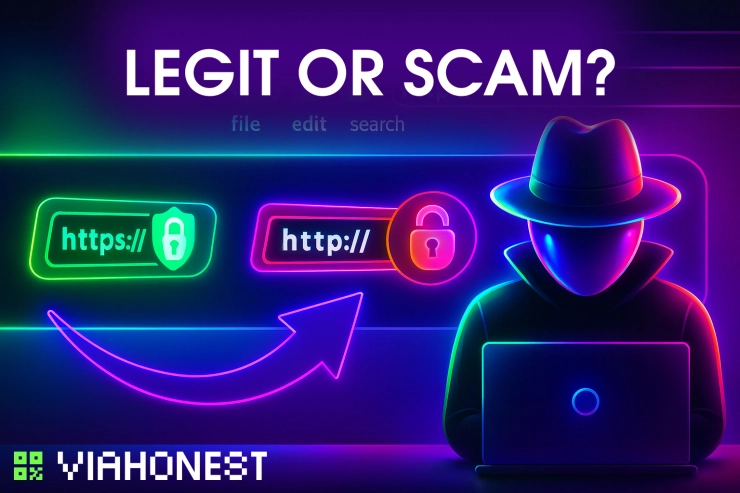
Before entering payment details, ensure the site uses secure encryption. A safe site should start with HTTPS and show a padlock symbol in the browser bar.
Fake stores often lack this or use poorly configured certificates. Also, watch out for suspicious domain names — scammers frequently register look-alikes such as “amaz0n-shop.net” to trick buyers.
Avoid Clicking Suspicious Links
Phishing remains a top method for stealing personal information. Emails, text messages, or social media ads may direct you to fraudulent sites designed to look like real retailers. If a link feels off, don’t click. Instead, type the store’s name into your browser manually. This reduces the chance of ending up on a scam site.
Don’t Overshare Personal Information
Legitimate sellers need your shipping details and payment method — nothing more. If a website asks for excessive data like Social Security numbers, driver’s license information, or unrelated documents, it’s a red flag. Sharing more than necessary puts you at risk of identity theft.
Inspect Product Descriptions and Photos Carefully
Genuine sellers usually provide detailed product descriptions, multiple photos from different angles, and sometimes even videos. Counterfeit or scam listings often rely on generic stock images or provide vague descriptions with grammatical errors. If the listing lacks detail, ask the seller for more information. A hesitant or evasive response is a strong warning sign.
Compare Prices Realistically
Scammers know shoppers love bargains. But if a deal looks “too good to be true,” it usually is. Compare the price with official retail value. Significant discounts on brand-new, in-demand items should be treated with skepticism. Seasonal sales exist, but genuine retailers rarely slash prices by 70–80% outside of official promotions.
Use Safe Payment Methods
Always choose payment methods that offer buyer protection. Credit cards, PayPal “goods and services,” and trusted digital wallets allow you to file disputes and request refunds if you receive fake or damaged goods. Avoid untraceable methods such as wire transfers, cryptocurrency, or gift cards. Asking yourself, “Is paying online safe?” becomes much easier if you stick to these secure channels.
Keep Documentation for Every Purchase
Save receipts, confirmation emails, screenshots of product listings, and communication with the seller. These records are invaluable if you need to challenge a transaction, request a refund, or prove fraud. Many shoppers overlook this step until it’s too late.
Rely on Transparent Platforms
One of the most effective safety measures is using platforms designed to eliminate fraud.
For example, ViaHonest allows sellers to upload their products along with proof of origin, while buyers can view the full transaction history. This level of transparency reduces uncertainty and helps you avoid online shopping scams without second-guessing. Sellers benefit too: verified listings build trust and attract more serious buyers.
Common Mistakes Shoppers Make
Even experienced online buyers sometimes fall into traps that scammers set. Recognizing these common mistakes is just as important as learning fraud prevention strategies.
Buying Through Unverified Social Media Accounts
Social media platforms like Instagram, Facebook Marketplace, and TikTok are convenient, but they are also prime spaces for fraud. Many buyers impulsively purchase items after seeing slick ads or influencer promotions without checking whether the account is legitimate. Scammers create professional-looking pages, complete with stolen product images and fake testimonials. After payment, they either disappear or send low-quality imitations.
Example: A user sees a limited-edition sneaker advertised on Instagram at half the retail price. The page has only been active for a month, with all comments saying “Great seller!” from suspicious-looking accounts. Without deeper checks, the buyer risks losing money.
Ignoring Reviews and Ratings
Some shoppers glance at the star rating without reading the reviews themselves. Others skip reviews altogether because they’re in a hurry. This is a major mistake. Fake reviews are common, but careful reading often exposes them. Genuine reviews include specific details (e.g., delivery times, packaging quality, or product quirks), while fake ones are vague, repetitive, or overly positive.
Example: A product shows 4.9 stars with hundreds of reviews, but many of them say nothing more than “Great!” or “Perfect item.” Without looking closer, buyers assume it’s safe when in reality the seller could be manipulating feedback.
Falling for “Too Good to Be True” Prices
Price remains one of the most effective baiting tools for scammers. Shoppers eager to save money often ignore their instincts when faced with massive discounts. Fraudsters know this and use it to their advantage.
Example: A designer handbag that normally costs $1,000 is listed for $200 on a little-known site. Excited about the “deal,” the buyer ignores the red flags and checks out. Weeks later, a poorly made counterfeit arrives — or nothing at all.
Overlooking Return and Refund Policies
Legitimate sellers provide clear policies about returns, exchanges, and warranties. Scammers often hide or complicate these details. Buyers who don’t check refund policies may end up stuck with unusable products.
Example: A buyer orders electronics from a site that claims “all sales final.” When the item arrives broken, customer service is unreachable, and the buyer has no recourse.
Rushing the Checkout Process
In the excitement of securing a good deal, many shoppers rush straight to payment without double-checking details. They overlook website security (HTTPS), misspellings in the domain name, or requests for excessive personal information. This rush often leads to fraud or identity theft.
Example: A buyer quickly clicks through checkout on a site offering urgent “flash sales,” only to later realize the domain was fake and their credit card details are now compromised.
Trusting Sellers Without Verification
Shoppers sometimes trust a seller simply because they sound convincing or provide quick responses. Without verifying through official platforms or transparent systems like ViaHonest, it’s nearly impossible to confirm authenticity. This blind trust often leads to counterfeit purchases.
Avoiding these mistakes requires slowing down, checking details, and resisting the urge to act on impulse. Remember: online safety isn’t about paranoia — it’s about consistency. By learning from these common errors, buyers can make smarter choices and minimize the risk of online shopping scams.
Conclusion
Online shopping can be safe, convenient, and enjoyable — if you know how to avoid the pitfalls. By recognizing fake stores, spotting manipulated reviews, using secure payment methods, and keeping thorough records, you’ll stay ahead of online shopping scams.
When making purchases online, what should you look for to know if it's safe? The answer lies in careful research, skepticism toward deals that seem too good, and reliance on transparent platforms. Tools like ViaHonest provide buyers with verifiable product histories and sellers with a trusted space to list authentic goods.
In the end, online shopping safety tips come down to a simple rule: better to pay a fair price for peace of mind than risk your money on a scam. Stay alert, shop smart, and keep your online experience secure.