Introduction

The resale market is booming in 2025. Once a side hustle for thrifty shoppers, reselling has become a mainstream business model fueled by digital platforms, social media, and the growing demand for sustainable fashion and collectibles. For many entrepreneurs, flipping items online is one of the best things to resell for consistent income.
Why has reselling become so popular? It’s profitable, scalable, and doesn’t require massive upfront investment. Anyone with an eye for value can turn used goods or limited-edition products into cash. But the big question remains: what are the best things to resell in 2025? This article explores the top categories, strategies, and platforms shaping the resale economy this year.
Why Reselling Is Growing in 2025
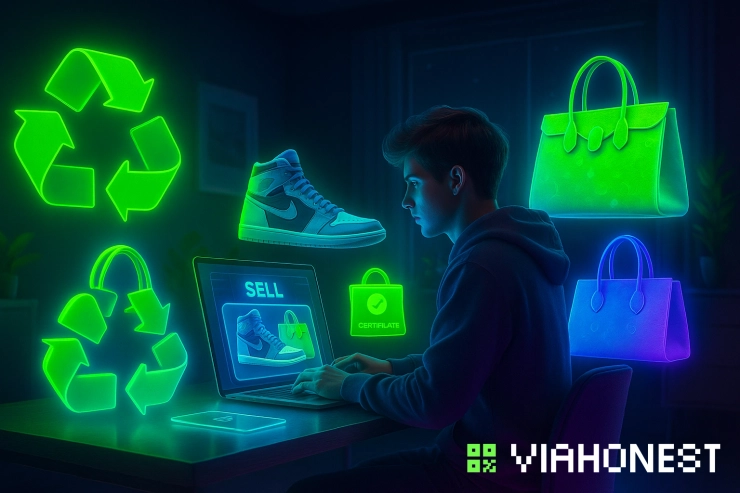
Several factors explain the rise of resale:
1. Sustainable Consumption
Consumers are increasingly focused on sustainability. Buying second-hand items reduces waste and lowers the demand for fast fashion and mass-produced goods. For eco-conscious shoppers, resale is both affordable and ethical.
2. Low Barriers to Entry
Compared to starting a traditional business, reselling requires minimal investment. You can start by flipping items from your own closet or sourcing bargains at yard sales and online auctions. For many, it’s one of the best things to buy and resell with little upfront risk.
3. The Allure of Rare and Limited Items
Hype-driven categories — sneakers, luxury bags, collectibles — have massive resale value. Limited supply plus strong demand means high profits for savvy resellers. This trend shows no signs of slowing down in 2025.
Best Categories to Resell in 2025

Reselling in 2025 spans across multiple industries, but certain product categories stand out for their strong demand, healthy margins, and reliable turnover. Below are the categories that many experts consider the best items to resell for profit, each explained in detail.
Sneakers and Streetwear
Sneakers and limited-edition streetwear remain one of the hottest segments in the resale market. Every year, brands like Nike, Adidas, and Supreme release exclusive drops that sell out instantly, leaving a massive aftermarket demand. A sneaker purchased at retail for $200 can resell for $500 or more within days, depending on rarity and hype. What drives this category is scarcity: when supply is intentionally limited, resale values surge. Platforms such as StockX, GOAT, and Grailed have standardized sneaker reselling, but competition is fierce, so resellers who understand release calendars and trends have the edge.
Luxury Fashion and Designer Bags
Luxury apparel and accessories are another staple of the resale economy. Items from Louis Vuitton, Chanel, and Gucci rarely lose value, and certain models, such as the Chanel Classic Flap or Hermès Birkin, can appreciate over time. Unlike fast fashion, luxury goods are considered investments. Resellers who can prove authenticity with receipts or certificates often achieve strong margins, sometimes doubling their initial investment on limited pieces. Since counterfeit risk is high in this category, transparent marketplaces like ViaHonest give both sellers and buyers the confidence that items are genuine.
Electronics and Gadgets
Technology evolves quickly, and so does consumer demand. This makes electronics one of the best things to buy and resell in 2025. Popular items include smartphones, laptops, gaming consoles, drones, and headphones. Because new devices release annually, there is always demand for both the latest models and slightly older refurbished ones. Margins tend to be lower than in fashion — typically 20–60% — but turnover is fast, meaning resellers can move inventory quickly. Condition and warranties are crucial here; buyers want assurance that their purchase will function properly.
Vintage Clothing
The vintage fashion trend shows no signs of slowing down. Young buyers especially are drawn to 90s denim, band T-shirts, retro sports jackets, and unique thrift finds that carry cultural nostalgia. Sourcing vintage clothing is cost-effective, often relying on thrift stores, estate sales, or secondhand marketplaces. Margins can be substantial since items are purchased cheaply and resold at a premium. The challenge lies in curation — buyers want authentic vintage pieces in good condition. Sellers who know how to identify eras, fabrics, and iconic brands consistently profit in this space.
Collectibles
Collectibles, from trading cards to toys and memorabilia, are surging in popularity thanks to fandom culture. Pokémon cards, Funko Pops, and limited LEGO sets often trade for several times their original retail price, especially if they’re rare or graded by third-party services. Margins can range from 50% to several hundred percent for the most coveted pieces. However, success in this niche requires deep knowledge of the market, as trends shift quickly. A card worth $1,000 today might drop in value tomorrow if demand cools, so expertise and timing are everything.
Watches and Jewelry
High-end watches and fine jewelry are classic assets in the resale world. Brands like Rolex, Omega, and Tiffany & Co. retain strong value because they are associated with craftsmanship and timeless design. A well-maintained Rolex Submariner, for instance, can resell for more than its retail value years after purchase. Jewelry with precious metals or stones also maintains resale potential, though design trends affect desirability. Margins in this category are smaller — often 15–80% — but the high ticket prices make each sale highly profitable. Authentication is crucial, and resellers must be prepared to document provenance.
Furniture and Home Décor
The home resale market has grown rapidly, driven by interest in sustainable living and unique design. Vintage furniture, mid-century modern pieces, and even discontinued IKEA models command high resale prices online. Buyers are willing to pay for both function and aesthetics, and well-restored furniture can achieve excellent returns. Margins vary, often 20–70%, depending on sourcing costs. Unlike smaller categories, logistics can be challenging due to size and shipping costs, so many sellers prefer to focus on local markets through Facebook Marketplace or Craigslist.
Books, Vinyl, and Media
Niche audiences keep the market for rare books, vinyl records, and collectible media alive. First-edition novels, signed copies, and classic vinyl albums are consistently in demand. Resellers often find bargains at thrift stores, library sales, or estate auctions, then resell them at substantial markups online. Margins are typically 25–100%, with standout items generating even more. Condition is key — graded or sealed media sells for significantly higher prices than used copies. Nostalgia and cultural relevance also drive demand, especially for iconic bands or authors.
Sporting Goods
Sports and fitness equipment are reliable resale categories because buyers look for quality gear without the high retail price. Items like bicycles, golf clubs, home gym equipment, and ski gear retain value if kept in good condition. Margins range from 15–50%, but resale speed often depends on seasonality. For example, bikes sell best in spring and summer, while ski equipment moves in winter. Local marketplaces often work best for bulky items, but specialized online communities also generate consistent demand.
Digital Products
Digital resale is one of the fastest-growing segments, offering high margins and global scalability. Products like e-books, online courses, stock photos, design templates, and digital art can be created once and sold indefinitely. Because there are no shipping or inventory costs, profit margins can reach 70–95%. Buyers appreciate instant delivery, and sellers benefit from passive income. The main challenge is competition and originality — standing out requires unique, high-quality content. Platforms like ViaHonest help sellers prove authorship and ensure buyers are purchasing legitimate products rather than pirated copies.
How to Choose the Best Things to Resell

When asking, what can I buy and resell to make money, consider these factors:
Demand
Check whether the product has consistent buyer interest. Use Google Trends, eBay completed listings, or TikTok hashtags to measure popularity.
Liquidity
Some items sell fast (sneakers, gadgets), while others may sit for months (rare antiques). Match your inventory strategy to your cash flow needs.
Condition and Authenticity
The resale value depends on product condition. Always inspect items carefully, and whenever possible, provide authenticity certificates for luxury or collectible goods.
Risk Level
Avoid categories with high counterfeit rates unless you have expertise in spotting fakes. Starting with simple, everyday items like electronics accessories or branded apparel lowers your risk while you learn the ropes.
Reselling Guide: How to Succeed
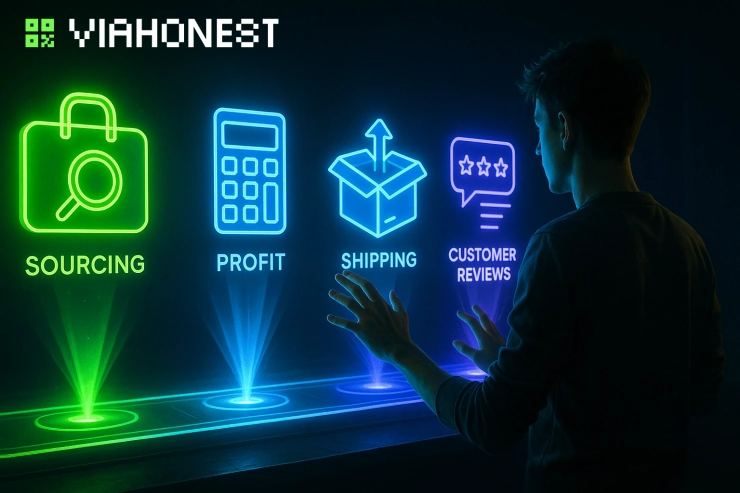
Where to Source Products
- Online Auctions: eBay, StockX, or Heritage Auctions for collectibles.
- Thrift Stores & Flea Markets: Vintage clothing, books, and home décor treasures.
- Retail Arbitrage: Buying discounted goods in clearance sales and flipping them online.
- Local Marketplaces: Facebook Marketplace or Craigslist often hide undervalued gems.
How to Evaluate Profitability
- Check recent sales prices on platforms like eBay.
- Subtract fees, shipping, and taxes from potential selling price.
- Use a minimum profit margin rule (e.g., at least 30% markup).
Tips for Fast Sales
- Provide high-quality photos from multiple angles.
- Write clear, keyword-rich descriptions.
- Offer fast shipping and easy returns.
- Price slightly below competitors for quicker turnover.
This structured approach is the backbone of any reselling guide that ensures both profitability and sustainability.
How ViaHonest Helps Resellers

Transparency is one of the biggest challenges in resale. Buyers often hesitate, wondering if items are authentic or worth the asking price. ViaHonest solves this problem by:
- Recording the product’s ownership and transaction history.
- Allowing sellers to upload proof of authenticity.
- Giving buyers confidence in the resale value of their purchase.
- Building trust for resellers who want to scale their businesses.
For resellers, listing on ViaHonest means credibility and higher conversion rates. For buyers, it means safer transactions in categories prone to counterfeits.
Conclusion

The resale market in 2025 is bigger, more diverse, and more profitable than ever. From sneakers and luxury bags to collectibles and digital goods, there are countless opportunities for resellers willing to learn the game. The key question — what are the best things to resell in 2025? — comes down to choosing categories with high demand, solid margins, and low risk.
The most successful resellers use smart sourcing, careful evaluation, and trusted platforms. By leveraging ViaHonest, sellers can prove authenticity while buyers shop with confidence.
In short, the winners in 2025 will be those who pick the top things to sell to make money, combine them with transparent practices, and treat reselling as a serious business. Start small, scale gradually, and watch the resale economy turn into one of the most rewarding online ways to make money today.