The global art world is undergoing a seismic shift. What used to happen inside white-walled galleries is now happening online — in real time, between creators and collectors.
Independent artists are discovering that they don't need intermediaries to make a living from their work — learning how to sell art online directly to collectors. Social media gives them visibility; digital platforms give them distribution. The result? A thriving direct-to-collector movement reshaping how art is discovered, valued, and sold.
But for many emerging artists exploring how to start selling art, the path to success still feels uncertain. Visibility is scarce. Traditional galleries are hard to enter. Online marketplaces often feel cluttered and impersonal. And even when an artist finds a buyer, trust — from payments to authenticity — remains fragile.
That's why packaging, storytelling, and transparency matter more than ever. Collectors don't just buy art; they buy context, credibility, and connection.
Enter ViaHonest — a new kind of platform that empowers artists to sell directly to collectors through verified storefronts, transparent payments, and curated presentation. It combines simplicity with professionalism — helping creators build trust and grow their value.
This is the story of how one emerging artist went from uncertain local shows to selling out his collection — $20,000 in one day — after joining ViaHonest.
The Artist's Story
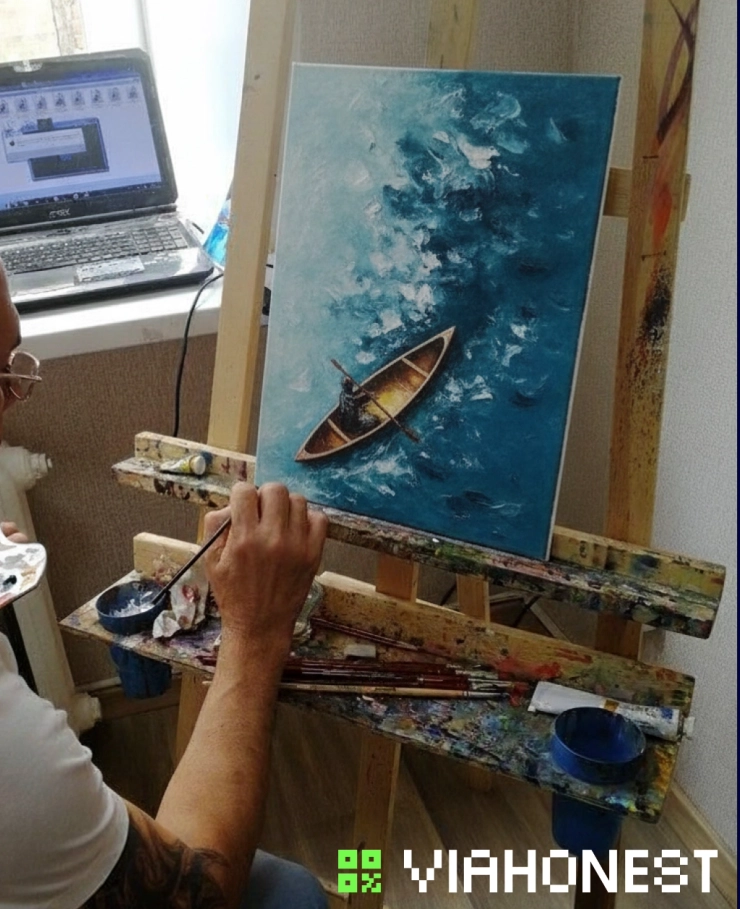
He was a young painter from Denver — self-taught, passionate, and ambitious. For years, he showcased his work at local cafés, pop-up galleries, and weekend art fairs.
People admired his paintings. Some even promised to "come back next time." But admiration rarely translated into consistent income.
"It felt like I was waiting for luck — for the right buyer to walk into the room," he said.
His challenges were familiar to many emerging artists trying to figure out how to make money as an artist in a digital world:
- Limited recognition. Outside local events, almost no one knew his name.
- Offline dependency. If a show got canceled, so did his income.
- Unstable sales. Months of work could pass between purchases.
He realized he needed to treat his art like a business — with systems, visibility, and control.
After reading about ViaHonest on an art marketing forum, he decided to give it a try. The promise was appealing: a professional storefront for independent creators, with built-in trust and no gallery gatekeeping.
Preparing the Collection
The first thing he noticed after signing up was how organized the onboarding felt. ViaHonest provided a checklist for artists — covering everything from photographing artwork to writing compelling descriptions.
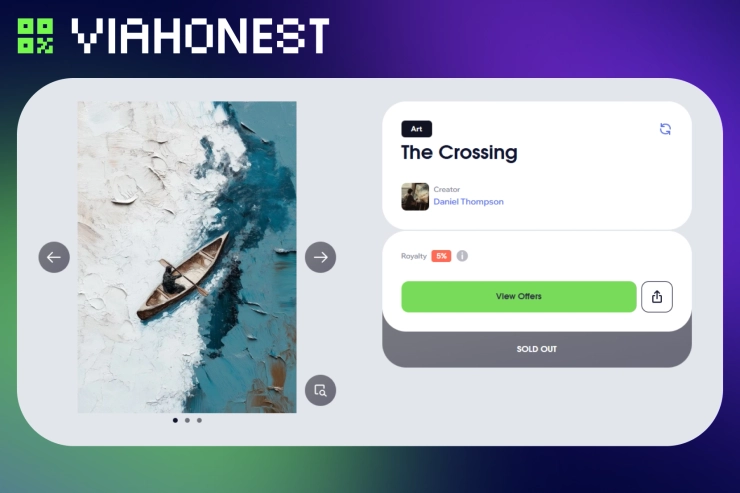
"It didn't feel like I was guessing anymore," he said. "They literally walked me through how to present my work like a gallery would."
He followed every step:
1. High-quality photography.
He invested a weekend in shooting each painting in natural light — full frames and detail shots.
2. Descriptive storytelling.
Each piece included an "About the Concept" section explaining his inspiration, process, and technique.
3. Video showcases.
Short clips focused on texture and brushstroke close-ups, letting buyers appreciate the depth of the paint.
4. Limited editions.
He positioned the release as a limited series of four pieces, each priced at $5,000 and accompanied by a certificate of authenticity.
5. Professional storefront.
His ViaHonest shop featured a clean layout, transparent pricing, and an integrated checkout system for secure payments.
Tip: You can do the same — register on ViaHonest and create your gallery in minutes. No coding, no agents — just your art, presented beautifully.
The result? A collection that looked premium and trustworthy, even to first time visitors.
Crafting a Content Strategy
With his storefront live, he turned to visibility. Instead of spamming listings, he focused on storytelling and emotion — helping people understand the why behind his work.
Process Videos
He filmed short "studio moments": brushes in motion, the palette of the day, paint mixing in slow motion. No sales pitch — just process.
Texture and Detail Shots
He used macro clips showing brushstroke textures and subtle layering. These built authenticity — proof that the works were real, tactile, and unique.
Storytelling Over Selling
Every post came with context: what inspired each piece, how color choices reflected emotion, or what he wanted viewers to feel.
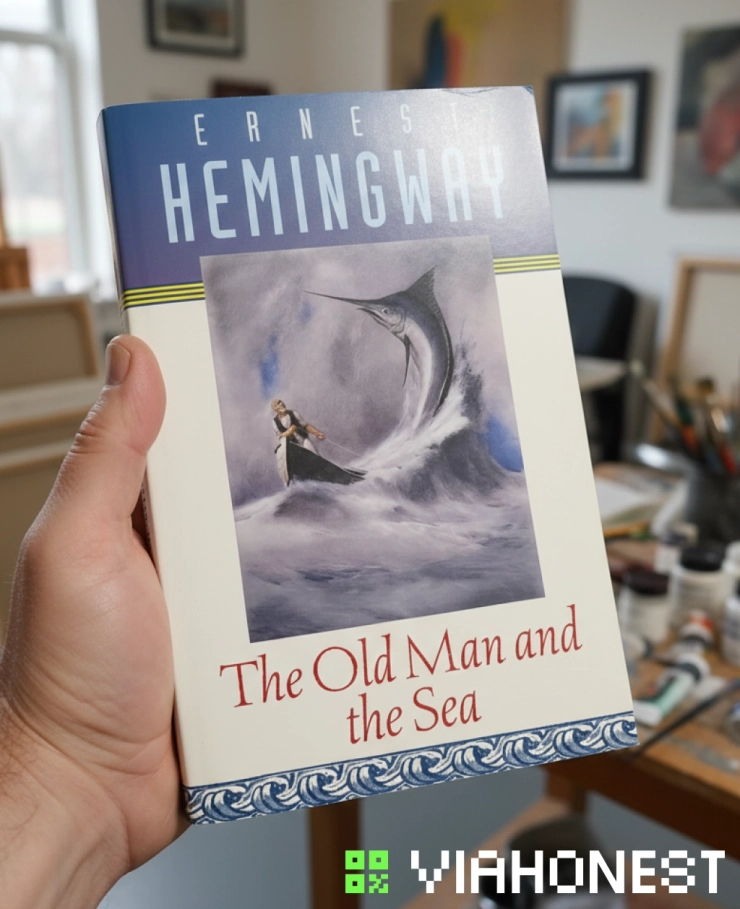
One of his recent works, for example, was born from rereading The Old Man and the Sea: the quiet resilience of the old fisherman, the tension between struggle and dignity, the vastness of the ocean — all of it shaped the mood of the canvas and the palette he chose.
"People don't connect with prices — they connect with stories," he said.
By blending sincerity with craft, he grew a modest but highly engaged audience — people who wanted to own a piece of his process, not just scroll past it.
The Collaboration That Changed Everything
While studying ViaHonest's creator guide, he found a section on strategic collaborations — a method for artists to partner with niche influencers or curators to increase visibility.
He decided to test it.
Step 1: Finding the Right Partner
He reached out to an art blogger known for reviewing emerging talent — someone respected among collectors, not just casual followers.
Step 2: Negotiating the Deal
They agreed on a barter + $1,000 fee. The blogger would produce a storytelling-style video review of the collection, including behind-the-scenes studio footage and commentary on the artist's creative philosophy.
Step 3: Coordinated Launch
They timed everything perfectly. The blogger posted the video at noon. At the same moment, the artist published his limited series on ViaHonest — complete with transparent checkout, high-res images, and payment protection for collectors.
The video performed better than anyone expected. Within hours, collectors were sharing it, praising both the storytelling and the platform's seamless purchasing experience.
"People said it felt like buying from a real gallery — only online," he recalled.
The Results: $20,000 in a Single Day
A Clear Formula Behind the $20,000 Day
Here's the exact math behind the $20,000 collection sellout — simple, transparent, and easy to replicate for future drops.
Units sold (Q): 4 original paintings
Price per piece (AOV): $5,000
Collaboration cost (C): $1,000 (blogger partnership)
Production cost (COGS): $0 (artist-owned originals)
Profit Formula: (Q × AOV) − C = (4 × $5,000) − $1,000 = $19,000 net profit
Just direct-to-collector revenue powered by trust, storytelling, and presentation.
That evening, every piece in the collection sold. Four paintings, $5,000 each, gone within 24 hours.
But the numbers were only part of the story.
The collaboration didn't just sell paintings — it sold the artist's identity. He went from "local painter" to a name collectors recognized and respected.
"It was surreal," he said. "For years, I'd been waiting for galleries to notice me. ViaHonest gave me the tools to build my own."
Beyond sales, his ViaHonest storefront became a long-term asset. Collectors who missed out could now join a waitlist, ensuring they'd be first to know about future releases.
What's Next for the Artist
After the success of his debut, he began preparing his next series — this time with even more intentionality.
Curated Waitlists
He's building ViaHonest waitlists for premium collectors, offering early access and previews before public release.
Designer Collaborations
He's planning a partnership with an interior designer to show how his work looks in real spaces — content titled "Art in Real Homes."
Maintaining Premium Value
He's learned that scarcity and narrative keep average sale prices high. Every new release will include a short film, process notes, and certificates — turning each painting into a collectible experience.
ViaHonest now serves as his central hub: inventory management, payment security, and brand presentation all in one.
Thinking about selling your art online? Start with storytelling, and let ViaHonest handle the trust and logistics. Join now.
Lessons and Advice for Artists
His journey revealed some powerful lessons and tips for artists about what it takes to succeed as an independent artist in 2025.
1. Storytelling Builds Value
Collectors don't buy canvas and paint — they buy meaning. Describe your thought process, your materials, your emotions. The narrative elevates perceived value.
2. Presentation Is Half the Sale
Good art deserves good packaging. Professional photos, clean layouts, and certificates make your work feel collectible — not casual.
3. Collaborations Multiply Reach
You don't need millions of followers. Partnering with a small but trusted voice in your niche can drive serious results.
4. Trust Converts
Secure payments, transparent pricing, and verified authenticity are what make collectors click "buy." That's why ViaHonest's model — combining escrow with artist verification — works so effectively.
5. Consistency Over Virality
He didn't go viral. He showed up daily, shared process videos, answered questions, and built relationships. That's what drives sustainable success.
If you're an emerging artist and want to sell your art online — ViaHonest helps you build trust, showcase your story, and sell securely.
Common Mistakes Artists Make Online
Many talented artists fail to turn their work into income — not because of skill, but because of avoidable missteps.
No Story or Context
Posting images without explaining intent makes even great art feel generic. Always add emotional or conceptual context.
Poor Visuals
Dark, uneven photos kill credibility. Use natural light, neutral backgrounds, and detailed close-ups.
Ignoring Audience Insight
If you don't know who you're painting for, you can't position your work properly. Learn from buyer feedback and engagement.
No Video or Authenticity
Videos build confidence — they show scale, texture, and humanity. A collector should feel you through the screen.
Complicated Checkout
Collectors won't chase payment links. Make the process instant and professional — one link, one click.
Avoid these, and you'll stand out even in a crowded space.
Why ViaHonest Works for Artists
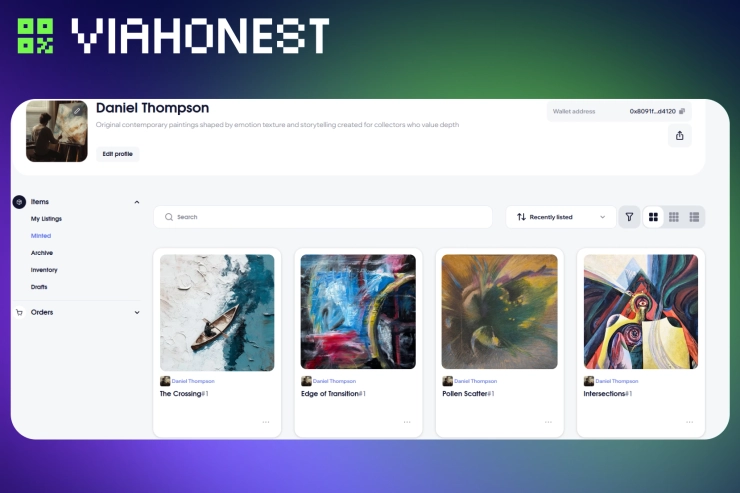
ViaHonest wasn't built as another mass marketplace. It was designed specifically for creators of value — artists, photographers, and designers who need a space that reflects their professionalism.
Here's why it's transforming the art world:
1. Gallery-Grade Presentation
Each listing supports long-form storytelling, video embeds, and high-resolution imagery — everything serious collectors expect.
2. Verified Transactions
ViaHonest uses a secure escrow system that protects both sides — no chargebacks, no fraud, no uncertainty.
3. Transparent Reviews
Every buyer is verified. Each sale adds to your credibility and collector trust.
4. Waitlists and Preorders
Artists can now manage demand strategically — building anticipation before each release.
5. Creator Freedom
0 listing, no gatekeeping, no dependency on curators. You keep your profits — and your artistic control.
Ready to showcase your art professionally? Create your ViaHonest gallery and start selling to collectors directly.
Conclusion
The art world is changing — and independent creators are leading the charge.
This young painter's story proves what happens when talent meets the right structure. By combining storytelling, collaboration, and transparent presentation, he earned $20,000 in a single day — and more importantly, built a long-term collector base.
He didn't wait for galleries or agents. He built his own ecosystem of trust and storytelling through ViaHonest — a platform designed for creators who value autonomy and authenticity.
If you're an artist tired of waiting for recognition, this is your sign: Stop waiting for permission. Start selling art online with purpose.
Join ViaHonest — and turn your art into a business that reflects your value, your vision, and your voice.