Introduction
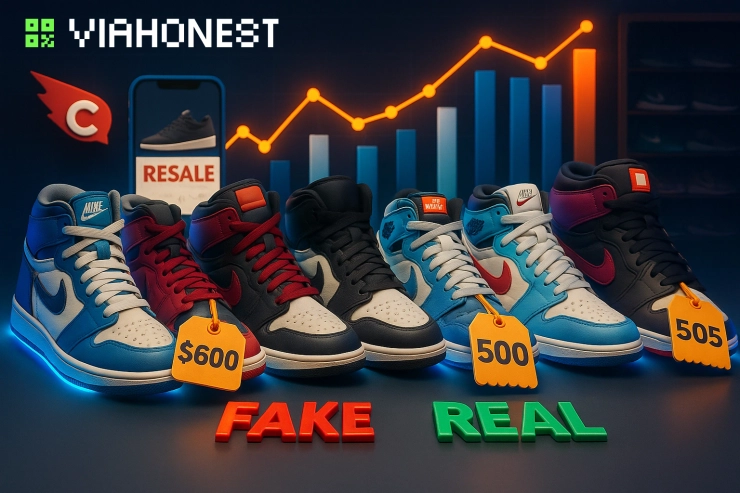
Sneaker reselling is one of the fastest-growing markets in 2025, but with opportunity comes risk. The flood of fake shoes makes it more important than ever for resellers to know exactly what they are buying and selling. A single mistake — listing counterfeit sneakers — can destroy your credibility and even expose you to legal action.
So, how to tell if shoes are fake before you list them? The answer lies in a careful process of inspection, authentication, and using the right platforms. This guide breaks down the most common signs of fakes, where they appear, and how to protect your reputation as a reseller.
Why the Market Is Flooded With Fakes
The sneaker resale market thrives on scarcity. Limited-edition drops from Nike, Jordan, or Adidas Yeezy sell out in minutes, leaving thousands of buyers empty handed. Counterfeiters exploit this gap, producing near-identical replicas and pushing them through unofficial channels.
- Most counterfeited brands: Nike Air Jordans, Adidas Yeezy Boost, and limited Nike Dunks.
- Why buyers get tricked: counterfeit sneakers often come with convincing packaging, receipts, or even fake QR codes.
- Risks for resellers: selling fake Nike shoes vs real ones isn’t just a small mistake — it can lead to chargebacks, platform bans, lawsuits, and permanent damage to your reputation.
Authenticity is the foundation of a successful resale business, which is why spotting fakes must be part of your process.
Key Signs of Fake Sneakers (Fake vs. Real Shoes)
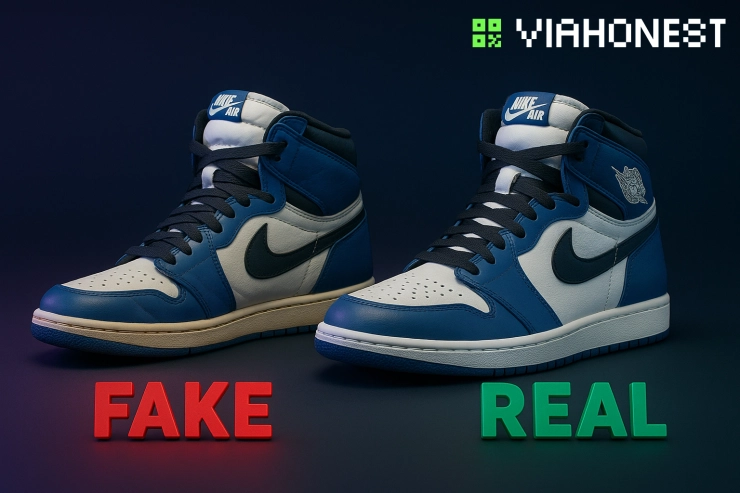
Spotting counterfeit sneakers requires a trained eye, because fakes today are far more convincing than they were a decade ago. Still, even the most sophisticated replicas usually fail in certain areas. Here are the main signs to look for when comparing fake shoes vs real pairs.
1. Box and Packaging Quality
The packaging is often the first giveaway. Genuine sneakers come in sturdy, high-quality boxes with sharp printing, accurate colors, and consistent sizing labels. Brand logos should be crisp, with no smudges or faded ink. Counterfeit boxes, on the other hand, may feel flimsy or have dull, blurry graphics. Serial numbers or barcodes are sometimes missing or incorrectly formatted. For example, authentic Nike boxes have labels that match the SKU inside the shoe, whereas fake Nike shoes often display mismatched or repeated codes.
2. Stitching and Craftsmanship
One of the most reliable indicators of authenticity is the stitching. Real sneakers go through strict quality control, so the stitches are uniform, tight, and clean. In contrast, fakes usually reveal rushed manufacturing: uneven lines, loose threads, or overlapping seams. Glue stains are also common in replicas, especially around the midsoles or toe box. A quick inspection with good lighting can expose flaws that brands like Nike, Adidas, or Jordan would never allow to leave their factories.
3. Material Quality and Feel
Authentic sneakers are built from carefully chosen materials that ensure both durability and comfort. For example, genuine leather is soft yet firm, while high quality mesh is breathable and flexible. Fake shoes often use cheaper alternatives that feel stiff, plasticky, or overly thin. Even the weight of the shoe can give it away — fakes sometimes weigh noticeably more or less than their real counterparts due to inferior materials. If a pair feels “off” in hand, it’s worth digging deeper.
4. Logos, Fonts, and Branding Details
Branding is another area where counterfeiters frequently make mistakes. On Nike sneakers, for instance, the swoosh must be perfectly angled and proportioned. On fake pairs, the swoosh might be too thick, slightly curved, or placed too high or low. Fonts on tags, labels, and insoles also provide clues: counterfeit fonts are often bolder, thinner, or misaligned compared to genuine pairs. With Yeezys, many fakes struggle to replicate the exact spacing and style of the Adidas logo or the “SPLY-350” text.
5. Insoles, Outsoles, and Comfort Features
Sneaker brands spend years refining outsole traction patterns and insole comfort technologies. These details are hard to copy perfectly. Authentic pairs have precise outsole patterns that match official photos down to the millimeter. Counterfeits often show irregular shapes, shallow grooves, or slightly altered tread designs. Insoles may be poorly printed, missing logos, or lack the cushioning of genuine versions. Removing the insole can reveal whether the stitching and construction underneath meet brand standards.
6. Smell and Chemical Odor
Although unconventional, the smell test works. Authentic sneakers typically have a neutral or mildly “new shoe” scent from quality adhesives and materials. Fake sneakers, however, often emit a strong chemical odor due to cheap glues and synthetic fabrics. While not definitive on its own, the smell test can serve as a quick indicator when combined with other signs.
7. Accessories and Packaging
Limited-edition sneakers often come with extras such as spare laces, dust bags, or hangtags. On genuine pairs, these items match the brand’s quality standards — thick cords, sharp printing, and neat stitching. Fakes often include these extras but in downgraded form: flimsy dust bags, poorly printed tags, or incorrect lace colors. If the accessories feel cheap or inconsistent with known authentic versions, it’s a red flag.
How to Authenticate Sneakers
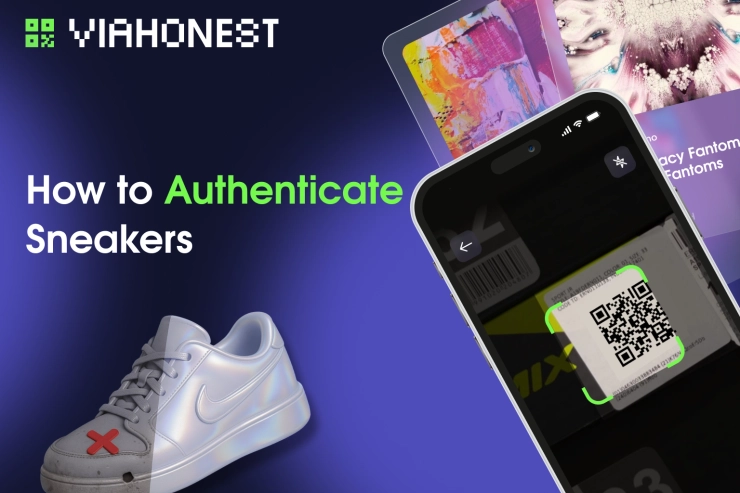
Learning how to authenticate sneakers is one of the most important skills for anyone in the resale market. Counterfeiters have become increasingly sophisticated, but there are still reliable ways to separate genuine pairs from fakes. Each method requires attention to detail, patience, and sometimes help from experts.
Compare With Official Product Photos
The first step in sneaker authentication is comparison. Every major brand — Nike, Adidas, Jordan, New Balance — provides high-resolution product photos on their websites or through official retailers. Take the pair you’re authenticating and place it side by side with the official images. Look closely at logo size, placement, and proportions. Even tiny inconsistencies, such as a swoosh that’s slightly too thick or stitching that sits a millimeter too low, can reveal a counterfeit. Lighting and colors also matter — counterfeiters often miss subtle tones, resulting in shades that are slightly off from the genuine pair.
Check Serial Numbers and QR Codes
Modern sneakers almost always come with serial numbers, SKU labels, or QR codes. These identifiers should match across the shoe box, tongue label, and sometimes even inside the insole. Scan the QR code with your phone to see if it redirects to the official product page. Fakes frequently recycle codes across multiple pairs or generate codes that lead nowhere. If the box label and shoe label don’t align, that’s a strong indicator that the sneakers are not authentic.
Review Purchase Receipts and Documentation
Authentic sneakers are usually sold with receipts from retailers or purchase confirmations from online shops. While counterfeiters sometimes fabricate fake receipts, you can often catch them by examining the details. Look at the date, formatting, store name, and even the font used on the receipt. Genuine stores follow consistent patterns, while fake receipts often contain small spelling mistakes or unusual layouts. Although documentation alone is not foolproof, when combined with other checks, it helps strengthen authenticity.
Examine Construction Quality in Detail
Beyond labels and codes, the construction of the shoe is a major giveaway. Brands like Nike and Adidas have rigorous quality standards — stitching is clean, glue marks are minimal, and paneling lines are consistent. Counterfeit shoes often cut corners: uneven stitching, excess glue, or mismatched panels are common signs. Even the smell can reveal clues — authentic pairs generally have a neutral “new shoe” scent, while fakes may carry harsh chemical odors from cheap adhesives. Handling the shoe in person often reveals flaws that photos can hide.
Use Third-Party Authentication Services
For high-value sneakers, it’s often worth investing in professional authentication. Services like StockX, GOAT, or CheckCheck employ experts who review sneakers using detailed photo submissions or in-hand verification. While there’s usually a small fee, this cost is minor compared to the losses you could face by accidentally buying or selling counterfeit sneakers. Getting a verified authentication report also gives potential buyers more confidence, allowing you to sell faster and often at a higher price.
Leverage Sneaker Communities
The sneakerhead community is one of the most passionate and knowledgeable in the resale world. Forums on Reddit (like r/Repsneakers), Discord servers, and Instagram groups frequently help members authenticate sneakers. Posting detailed photos — close-ups of stitching, soles, insoles, and tags — can yield quick feedback from experienced collectors who’ve seen thousands of pairs. While not as official as professional authentication, community insights are a valuable layer of defense against counterfeits.
Combining these methods — visual comparison, label checks, receipt review, construction analysis, professional services, and community input — gives you the most reliable answer to how to authenticate sneakers. For resellers, the effort is worth it: every authenticated pair strengthens your credibility, while even one fake can cost you money and trust.
Where Fake Sneakers Are Commonly Found
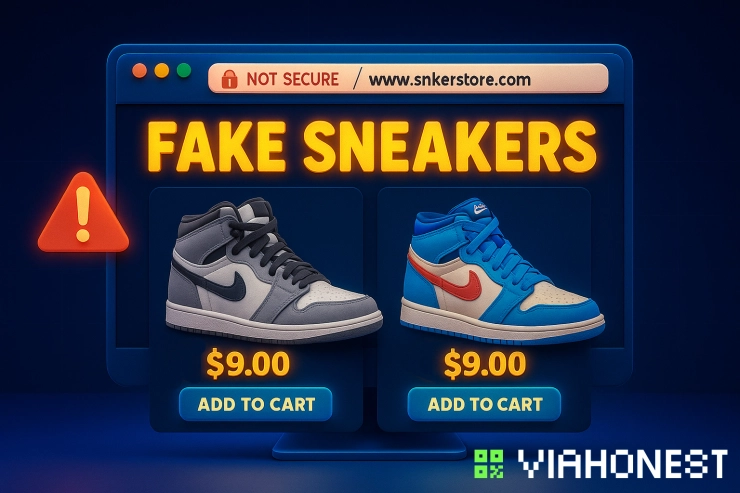
Knowing where counterfeits thrive helps you avoid risky sourcing.
Unregulated Marketplaces
Sites without strict authenticity checks often become hubs for counterfeit goods. Low prices and vague product descriptions are red flags.
Social Media
Instagram ads and TikTok shops frequently feature fakes. Sellers rely on glossy photos and urgency tactics (“only 3 pairs left!”) to trick buyers.
Suspicious Websites
Replica sellers often create convincing fake websites that mimic official stores. Look out for URLs with typos, poor security (no HTTPS), or prices far below retail.
Tip: If a deal looks too good to be true, it almost always is.
How ViaHonest Solves the Problem
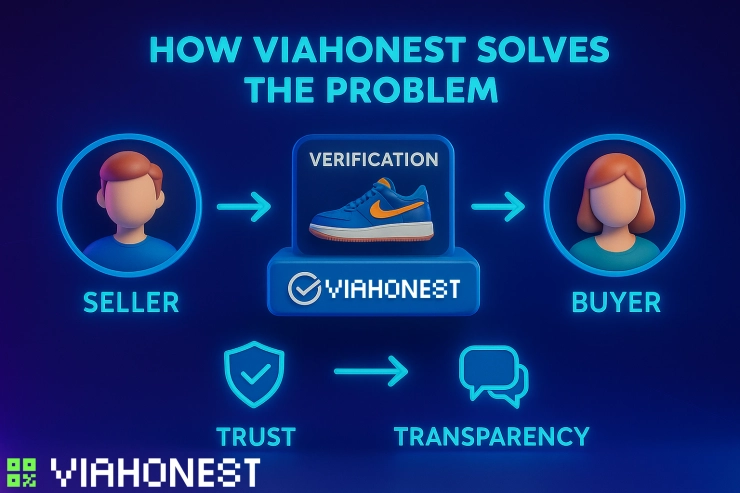
Platforms like ViaHonest add a layer of transparency to the sneaker resale market. Here’s how it helps both sellers and buyers:
- Every sneaker listed includes proof of origin and ownership history.
- Buyers can verify transaction history before purchasing.
- Sellers build credibility by showing that their sneakers are genuine.
- Counterfeiters find it harder to infiltrate the platform due to strict verification.
For resellers, this means fewer disputes and higher trust. For buyers, it’s the assurance that they’re investing in authentic sneakers.
Conclusion
In today’s resale market, knowing how to spot fake shoes is non-negotiable. With fakes flooding marketplaces, resellers who fail to authenticate risk not only financial loss but also long-term damage to their reputation.
The key takeaway: how to tell if shoes are fake comes down to careful inspection, comparing with official sources, using authentication tools, and relying on transparent platforms. It’s always better to spend extra time verifying than to gamble with counterfeit goods.
For safe, credible reselling, consider platforms like ViaHonest, where authenticity and transaction history are built into every sale. After all, your reputation as a reseller depends on selling only genuine products — and that starts with mastering sneaker authentication.