In today’s fast-evolving financial landscape, asset tokenization is emerging as one of the most transformative concepts bridging traditional finance and blockchain technology. Simply put, it’s the process of converting ownership rights of real or digital assets into digital tokens on a blockchain. This approach not only modernizes how assets are owned and traded but also opens doors for investors worldwide to participate in opportunities that were previously inaccessible.
By understanding how to tokenize an asset, businesses and individuals can tap into global markets, streamline transactions, and enhance liquidity. This guide will walk you through what asset tokenization is, how it works, its advantages, and practical steps to get started.
The concept of asset tokenization didn’t appear overnight. It evolved from early blockchain experiments during the Initial Coin Offering (ICO) boom of 2017, when digital tokens first became a popular way to represent value. At that time, most tokens were linked to startup fundraising, not real-world assets.\nHowever, as blockchain matured and regulatory frameworks began to take shape, attention shifted toward tokenizing tangible and financial assets — from real estate to corporate bonds. The post-2020 surge in interest was fueled by several factors: the rise of decentralized finance (DeFi), growing institutional adoption of blockchain technology, and the global search for more liquid, borderless investment opportunities.\nAs traditional markets grappled with inefficiencies and high barriers to entry, tokenization emerged as a bridge between conventional finance and the rapidly expanding Web3 ecosystem.
What is Asset Tokenization?
At its core, asset tokenization blockchain refers to the process of issuing blockchain-based tokens that represent ownership or rights to an asset. These tokens can be bought, sold, or traded in a digital marketplace while still being tied to the underlying asset — whether it’s physical, like real estate or art, or intangible, like patents or intellectual property.
Tokenization essentially merges two worlds:
- Traditional assets — real estate, commodities, corporate shares, collectibles.
- Blockchain technology — secure, transparent, and decentralized ledgers.
The result is a more flexible, efficient, and accessible system for asset ownership and transfer.
Which Assets Can Be Tokenized?
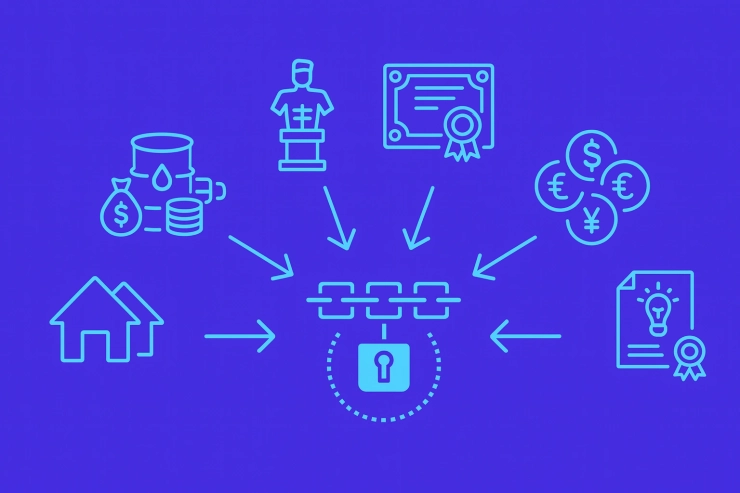
Nearly any asset type can be tokenized, including:
- Real estate tokenization — commercial buildings, rental properties, and land.
- Fine art and collectibles — paintings, sculptures, rare wines, and sports memorabilia.
- Commodities — gold, silver, oil, agricultural products.
- Financial instruments — bonds, stocks, derivatives.
- Intellectual property tokenization — patents, trademarks, music royalties.
This versatility makes tokenization a powerful tool for creating new investment opportunities across industries.
Benefits of Asset Tokenization
- Accessibility and Fractional Ownership — enables investors to buy a fraction of a high-value asset without purchasing it entirely.
- Increased liquidity — traditionally illiquid assets become tradable on secondary markets.
- Faster transactions — ownership transfer in minutes via smart contracts.
- Transparency and automation — blockchain records every transaction, reducing fraud risks.
From an investor’s perspective, tokenization opens doors to real estate investment, tokenized art, tokenized debt, and more — with minimal capital requirements.
How to Tokenize an Asset: Step-by-Step
If you’re considering how to tokenize an asset, the process generally follows these stages:
- Select the asset (real estate, painting, stock portfolio, music catalog).
- Professional valuation & legal review.
- Choose blockchain platform (Ethereum, Polygon, Solana, Hyperledger) and token standard (ERC-20, ERC-721, ERC-1155).
- Create digital tokens via smart contracts.
- Link the token to the real-world asset with legal agreements.
- Launch on a token marketplace or RWA platform.
- Enable secondary market trading & manage ownership records.
Tokenizing Physical Assets: Special Considerations
While tokenizing physical assets offers significant opportunities, it also presents unique challenges:
- Physical storage — Assets like gold, wine, or art need secure, insured storage.
- Verification and custody — A trusted third party or custodian ensures the asset exists and is properly maintained.
- Delivery logistics — If ownership changes require physical delivery, shipping and handling must be planned.
- Regulatory compliance — Jurisdictions may have specific rules about how physical assets can be tokenized.
The party responsible for custody plays a vital role in guaranteeing that each token truly represents its stated physical counterpart.
Legal and Regulatory Aspects
The legality of asset tokenization blockchain projects depends on local regulations. In some regions, tokenized assets may be classified as securities, triggering compliance with securities laws.
This often involves:
- Investor accreditation requirements.
- Anti-Money Laundering (AML) and Know Your Customer (KYC) checks.
- Proper disclosure of terms and conditions
Consulting with legal experts familiar with blockchain regulations is essential before launching a tokenization project.
Why Asset Tokenization Matters for the Future
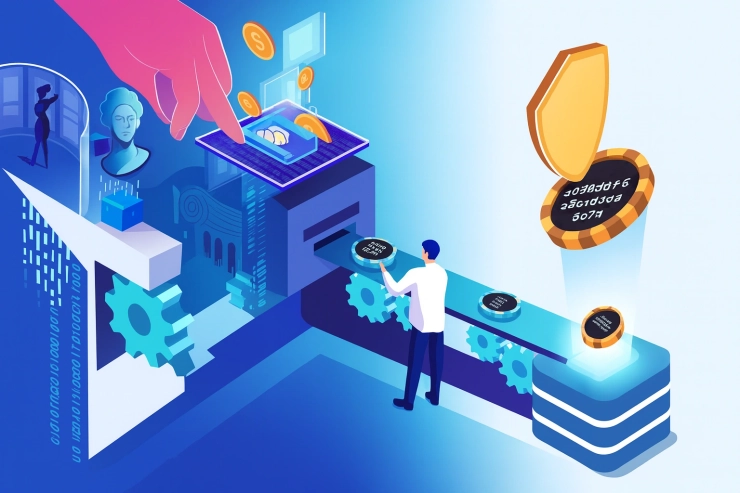
By making assets more divisible, tradable, and accessible, tokenization can:
- Expand global investment participation.
- Reduce intermediary costs.
- Enable secure cross-border transactions.
- Integrate with Web3 ecosystems.
The global asset tokenization market is projected to reach trillions of dollars by 2030, with real estate as the leading sector, followed by tokenized bonds, supply chain assets, and luxury collectibles.
Conclusion
Asset tokenization is reshaping how we view ownership, investment, and trade. By understanding how to tokenize an asset, businesses and individuals can unlock new opportunities and participate in markets that were once closed to them. Whether it’s tokenizing physical assets like real estate or creating fractional shares in fine art, asset tokenization blockchain technology is the bridge between traditional finance and the digital future. The potential is vast — but so are the responsibilities. Legal compliance, secure custody, and transparent governance are key to success. As adoption grows, tokenization is set to become a cornerstone of the next generation of global commerce.