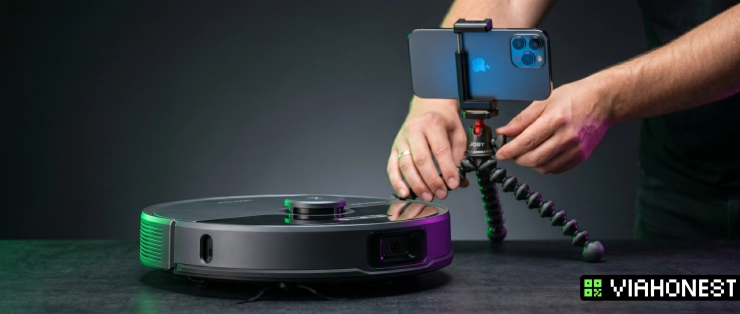
Short answer: To become a UGC creator, you need to create sample content, choose a niche, build a portfolio, and start reaching out to brands.
If you’re searching how to become a ugc creator, here’s the most encouraging truth: you don’t need fame to get started. This part of the creator economy is closer to freelancing than “going viral” - brands often hire people for their ability to make authentic, platform-ready creative that the brand can post (or run as ads), not for their follower count.
That’s why the early game is less about building an audience and more about building proof: a few strong samples, a clear niche, a simple portfolio, and a repeatable outreach habit. If you’re also wondering how to get into ugc or how to start ugc in a way that actually results in paid collaborations, this guide breaks the process down into realistic steps, including what brands are buying, how to pitch, and what to avoid.
What Does It Mean to Be a UGC Creator?
A UGC creator is typically a paid, freelance-style creator who produces content that looks like everyday customer content - but is made intentionally for a brand’s marketing. In practice, the creator delivers short-form video, photos, testimonials, demos, unboxings, or review-style clips that the brand can use on its own channels and in campaigns.
If you’ve ever typed what is ugc or what is a ugc creator, the cleanest way to think about it is this: user generated content is content made by real people (customers, fans, advocates) rather than the brand itself, and it can be organic or paid; a “UGC creator” is the person brands hire to produce that authentic, customer-style creative on demand.
In many cases, content is only one part of the equation - the next step is where that attention converts into a transaction.
For creators working with physical products, having a clear and trustworthy place where people can actually buy what they see can significantly increase the value of your content. Platforms like ViaHonest are designed to support that connection, making it easier to move from content to purchase in a more structured way.
What UGC creators actually do for brands
Brands use UGC across the funnel because it’s flexible: it can live on social, product pages, email, and paid ads. In a typical collaboration, a brand or agency provides (1) a product or access to a service, (2) a brief (talking points, claims, do’s/don’ts), and (3) usage requirements (where the creative will be used and for how long). The creator then delivers edited assets (and sometimes raw footage or hook variations) plus basic admin: invoices, dates, file delivery, and revision rounds.
How this differs from blogging or influencer marketing
Influencers are usually paid for distribution - their audience and reach - because they publish content to their own channels. UGC creators are usually paid for production - the content itself - because the brand publishes (and may also amplify) the content on the brand side.
That distinction matters because it changes what brands evaluate. In UGC, a portfolio that shows you can hook attention, explain benefits clearly, and film in a “native” style is often more valuable than your follower count.
Why More People Want to Get Into UGC

Several converging shifts explain why UGC creator work has become more visible and more “reachable” as a career path:
- Brands are under pressure to produce a steady stream of content, and UGC can be a cost-efficient way to create volume across formats (video, images, reviews, testimonials) while still feeling authentic.
- Marketing teams increasingly use UGC as scalable “social proof” that can build trust and influence purchase decisions in ways that polished brand creative sometimes can’t.
- UGC can be organic or paid, which means there’s a clear budget line for creators who can reliably deliver on-brief assets.
- The role is professionalising: platforms and brands describe UGC creators as specialists making sponsored customer-style creative used directly on brand channels - separate from classic influencer work.
- The portfolio-first nature of UGC is attractive: you can create “spec ads” (sample ads made on your own initiative) and demonstrate skill before you ever land a paid deal.
- Disclosure expectations are clearer than they were a few years ago - especially on short-form platforms - so creators can operate more professionally and reduce compliance risk.
Can You Become a UGC Creator Without Followers?
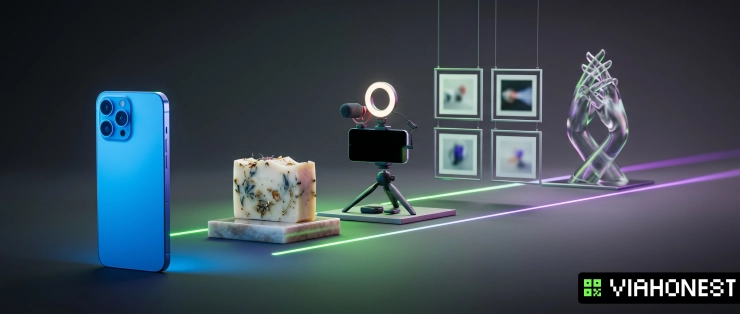
Yes - and this is one of the main reasons UGC feels accessible.
- Brands hire UGC creators to produce assets the brand can publish and repurpose across its own channels and campaigns, which means the creator’s audience size is not always the core value.
- Many brands treat UGC creators like creative freelancers: they want repeatable deliverables, clear communication, and files that are ready to test in social formats.
- A strong portfolio can substitute for follower-based credibility - especially when it shows variety (hooks, angles, lighting setups, problem/solution flows) and makes it easy to contact you.
As you start landing your first collaborations, you’ll notice that brands care not just about the content - but about how easily that content translates into sales.
This is where the environment around the product matters. When listings are structured, verifiable, and built for trust, creators can produce content that feels more credible and performs better. That’s one of the reasons some brands and sellers are moving toward platforms like ViaHonest to support creator-led campaigns.
What brands look at instead of follower count
Most brand briefs (explicitly or implicitly) evaluate whether you can deliver “usable” creative. You can make that easy to judge by building samples that demonstrate:
- A clear hook in the first 1-2 seconds and strong pacing (especially for short-form vertical video)
- A credible product experience (showing the product in use, not just talking about it)
- Clean audio and readable captions (so the brand can run it on mute and still convert)
- Basic reliability: timely delivery, simple file naming, and clarity on revisions and usage
How to Get Into UGC and Land Your First Brand Collaborations

Step by-step action plan
The fastest path is to treat your first month like a mini “creative sprint.” Below is a practical sequence that matches how brands actually buy UGC (portfolio → outreach → test project → repeat).
- Pick a niche you can sustain for 90 days
Choose something you already live in (beauty, fitness, food, parenting, tech, home, fashion) so your scripts sound natural and your product choices make sense. Brands want creators whose on-camera vibe matches the audience they’re trying to reach. - Create 6-10 “spec ads” with real products you already own
A simple way to build credibility without clients is to film sample ads for products you genuinely use. Wix explicitly recommends creating “spec ads” for brands you already own and love as a way to start without paid experience. - Build a portfolio that answers brand questions in 30 seconds
A good portfolio is not a life story - it’s a booking page. Include a short bio, your niche, 6-10 best samples, and one clear “Work with me” contact method. Portfolio builders emphasise that a portfolio site acts as the central place brands use to view your work and contact you for collaborations. - Define your “starter offer” (simple, specific, repeatable)
A strong beginner offer is usually something like: 1 edited 20-30s vertical video + 2 hook variations + delivered as MP4 + one revision round. Keeping scope simple helps you deliver consistently and protects you from undercharging for endless edits. - Start outreach before you feel ready
Outreach is the job. Your first campaigns may not come from “inbound” interest - especially if you’re new. But your portfolio gives you enough proof to pitch professionally. - Close a small paid test (or a clear gifted test) and turn it into proof
Your goal isn’t “a perfect brand deal.” It’s one clean collaboration you can reference. After delivery, ask for a one-sentence testimonial and permission to feature the work in your portfolio.
A simple outreach message that gets replies
Keep it short, specific, and brand-centred:
Hi [Name] - I’m a UGC creator in [niche]. I made 2 sample videos in a [platform]-native style and I think this format could work for [Brand]’s [product/category].
If you’re testing creator-led ads this month, I can deliver: 1 x 25s vertical video + 2 hook variations within 5 days.
Portfolio: [link]. Are you the right contact for UGC, or should I reach out to someone else?
This works because it tells the brand exactly what you’re selling (deliverables + timeline), and makes forwarding easy.
Don’t skip the “boring” parts: usage, disclosure, and permissions
When you land your first collaboration, protect both sides by clarifying three basics up front:
- Usage rights: where the brand can use your content, for how long, and whether paid ads are included
Licensing terms often specify duration, channels, territory, and edit permissions. - Paid amplification vs. organic use: whether the content will be used just on owned channels or also turned into ads
Practical guides warn that buying an organic post does not automatically grant reuse rights unless the contract says so. - Disclosure when posting: if you publish on your own socials (even for gifting), disclose material connections clearly
The FTC explains that a “material connection” includes money or free/discounted products, and that disclosures should be easy to notice and understand.
If you’re posting on TikTok, the platform states you must enable its commercial content disclosure setting when promoting a brand/product/service, and it notes an internal study found no performance difference between nearly 2 million disclosed vs. non-disclosed videos (while also warning that non-disclosure can hurt distribution).
Pricing reality (so you don’t undervalue yourself)
Rates vary widely by niche, complexity, and usage. The most professional way to avoid awkwardness is to price in components: creation fee + add-ons (extra hooks, raw footage, paid usage, whitelisting). Industry benchmarks commonly show short-form UGC video pricing ranging from lower beginner tiers into higher ranges depending on deliverables and rights.
Skills That Help You Succeed as a UGC Creator
Skills That Help You Succeed as a UGC Creator
UGC creators who get repeat bookings tend to be strong in a few non-glamorous areas (because brands are buying reliability as much as creativity).
- Brief interpretation: turning “talking points” into a natural script without over-claiming
- On-camera delivery: relaxed, believable, and specific (show the product, show the result, show the ‘how’)
- Editing for pace: tight cuts, captions, and brand-safe framing
- Basic marketing thinking: hook → problem → solution → proof → CTA (a structure brands can test)
- Project management: timelines, file hygiene, and revision boundaries
- Compliance literacy: knowing when to disclose and how to keep disclosure noticeable
Common Mistakes New UGC Creators Make

Most early mistakes aren’t about talent - they’re about unclear scope and missing professionalism signals.
- Treating UGC like influencer work and waiting for inbound invites instead of building outreach habits
- Building a portfolio that’s hard to scan (too long, too cluttered, no clear CTA)
- Agreeing to unlimited revisions (or unclear feedback cycles) and losing hours to “tiny tweaks”
- Forgetting usage terms (where the content will be used, how long, paid vs. organic) and then feeling stuck later
- Posting gifted/paid content without clear disclosure, or hiding it where viewers won’t notice
The FTC explicitly warns that disclosures can be missed when they’re buried at the end, mixed into hashtags, or placed away from the endorsement itself. - Overpromising performance instead of selling what you can control (craft, clarity, speed, testing-friendly assets)
How ViaHonest Can Help UGC Creators and Brands
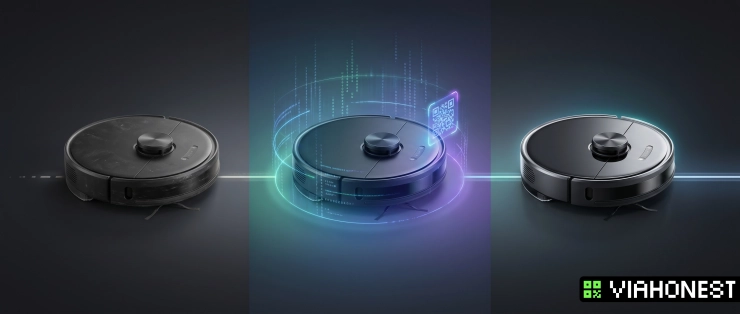
UGC doesn’t exist in a vacuum - creators need products to feature, brands need trust, and customers need confidence. That’s where ViaHonest’s marketplace infrastructure can support both sides, especially for physical goods, limited drops, and creator-led commerce.
- Verified product identity can reduce trust friction
ViaHonest describes linking items to tokenised digital identity and using QR codes to enable verification of origin, authenticity, and ownership history - helpful signals when content (and commerce) relies on trust. - Sellers can list products with clear fee structure
ViaHonest states that listing is free and the platform charges a flat 2.5% fee only after a successful sale. - Escrow-style protection supports higher-confidence transactions
ViaHonest positions escrow as protecting both sides and reducing chargeback risk (important when creators and small brands are managing logistics). - Credibility tools for drops and collaborations
ViaHonest’s own product pages and brand materials emphasise authenticity-backed listings, provenance, and trust-building features that can make it easier for sellers to run launches and for buyers to understand what they’re purchasing. - A clean “bridge” between creator marketing and direct sales
ViaHonest frames itself as connecting physical goods with digital certificates to support secure transactions and trusted resale on a multi-vendor marketplace.
A natural next step: if you’re a seller or brand preparing products for creator content (UGC, reviews, launch campaigns), registering as a seller on ViaHonest lets you publish items with authenticity verification and a clear, low-fee structure. If you’re on the buying side - whether you’re a shopper or a creator sourcing items to feature - registering as a buyer gives you access to marketplace listings designed around verification and transparent item history.
Conclusion

Becoming a UGC creator without a big audience is not only possible - it’s effectively the point of the role: brands are hiring skilled creators to produce authentic, platform-native assets they can publish and repurpose.
To get your first collaborations, focus on four controllables: a niche you can stay consistent in, sample content (spec ads) that demonstrates your range, a portfolio that makes it easy to hire you, and steady outreach that puts your work in front of decision-makers.
And if your path to growth includes commerce - not just content - ViaHonest is built to help creators, brands, and sellers use trust and verification to support transactions and scale the value of user-generated content beyond the feed. In other words, if you’re still figuring out how to become a ugc creator, think bigger than one brand deal: build a system - then use the right marketplace infrastructure when you’re ready to sell or buy with confidence.
As UGC becomes more integrated into how products are marketed and sold, creators who understand the full flow - from content to transaction - have a clear advantage.
If you’re working with brands, selling products, or even sourcing items to feature in your content, ViaHonest offers a way to operate in a more transparent and trust-driven environment - whether you’re listing products as a seller or purchasing as a buyer.